

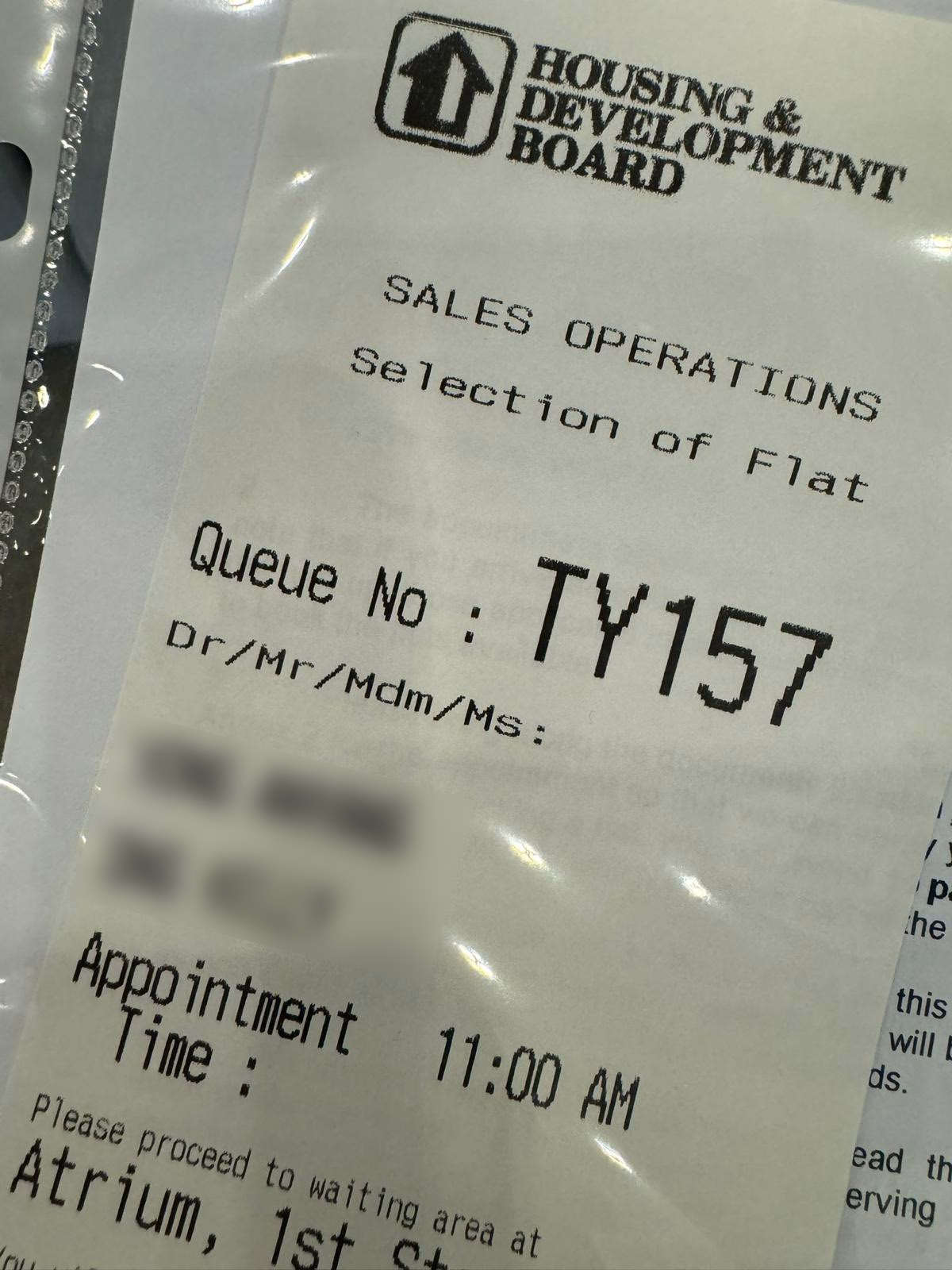
Receiving a BTO queue number feels like progress.
For many couples, it represents the start of something long anticipated. A future home. Greater independence. A place to build a life together.
Yet between securing a flat and collecting the keys lies a chapter of homeownership that is often overlooked.
The waiting period.
In Singapore, the gap between booking a BTO flat and moving into it can stretch across several years. During that time, life continues to move forward. Couples get married. Families grow. Careers evolve. Financial priorities change.
The reality is that while a home may still be under construction, life is not.
It is within this period that the Parenthood Provisional Housing Scheme (PPHS) becomes relevant. While often described as a temporary housing solution, for many families, it becomes something more significant.
It becomes the place where everyday life happens while waiting for the future to arrive.
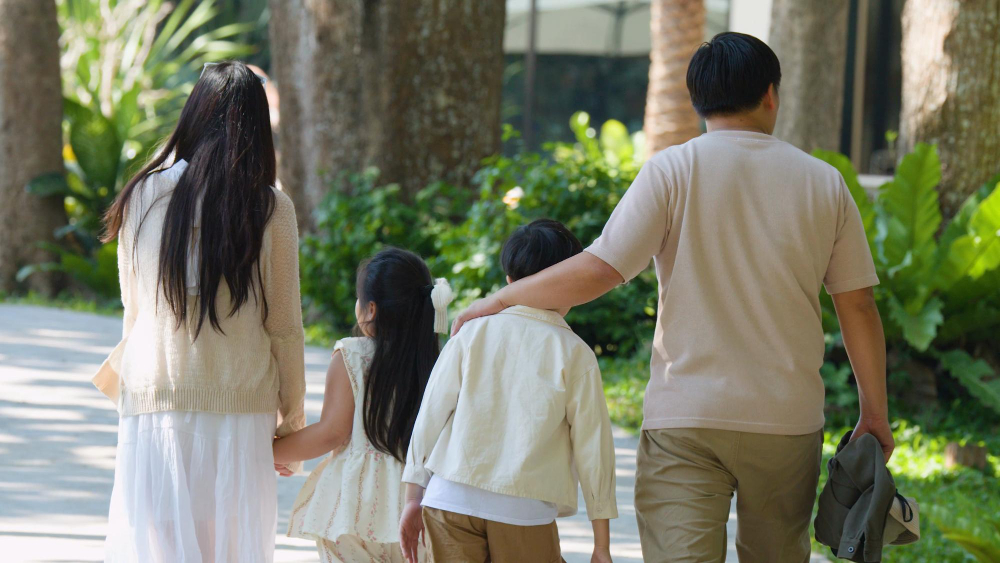
The Waiting Years Are Often Family Years
When BTO waiting times are discussed, the conversation is usually measured in months and years.
Three years.
Four years.
Sometimes longer.
What receives far less attention is what happens during those years.
For many Singaporean couples, the waiting period coincides with some of life's most important transitions.
A couple that booked their flat in their late twenties may be raising a toddler before they ever receive their keys.
Others may be caring for ageing parents while balancing work commitments and preparing financially for homeownership.
Walk through some PPHS estates today and a different picture begins to emerge. Children's bicycles parked outside units. Strollers folded neatly beside front doors. Parents carrying groceries home after work before rushing off to collect their children from childcare.
These scenes offer an important reminder.
The waiting period is not simply time spent waiting for a home.
For many families, it is a period in which life is actively unfolding.

The Hidden Cost Is Not Just Money
Housing discussions often focus on affordability.
Rental rates.
Mortgage repayments.
Renovation budgets.
These are all important considerations.
But some of the hidden costs of waiting are less visible.
Living with parents may reduce expenses, but it can also mean postponing a degree of independence many couples hoped to achieve after marriage.
Renting on the open market can provide flexibility and privacy, but it may also reduce the funds available for future renovation plans or long-term savings goals.
For families with young children, housing arrangements can affect daily routines, childcare logistics and commuting patterns.
These costs rarely appear in financial calculations, yet they influence quality of life in meaningful ways.
The hidden cost of waiting is often not measured in dollars alone.
It is measured in the adjustments families make while navigating this transitional period.
Why PPHS Exists
For a family with a young child, waiting several years for a BTO flat can create practical challenges.
Housing needs do not pause simply because a home is still being built.
This is the gap the Parenthood Provisional Housing Scheme was designed to address.
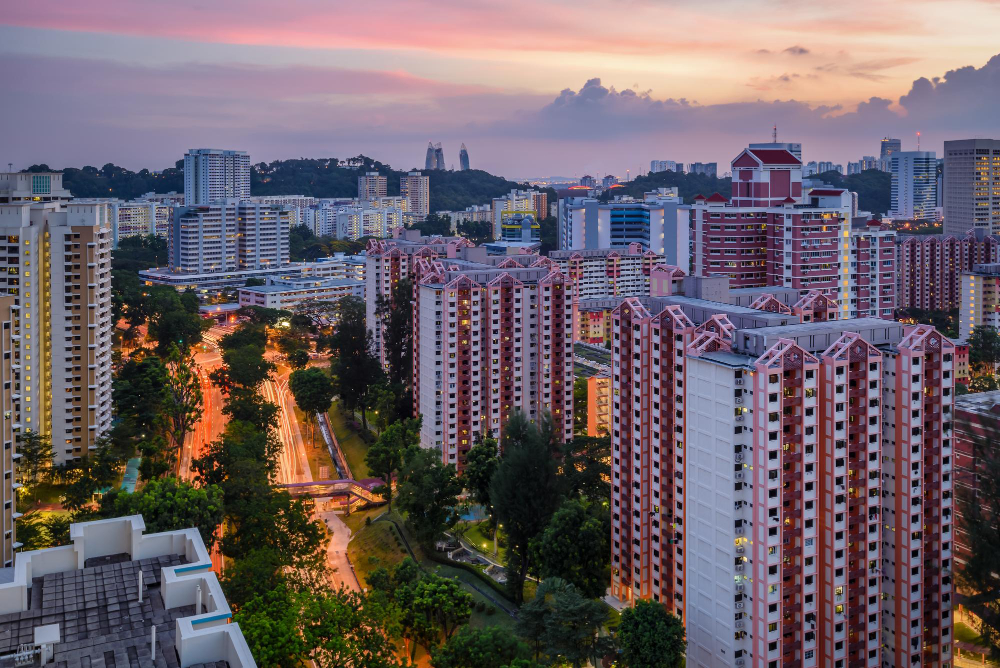
PPHS provides temporary rental housing for eligible households waiting for their new flats to be completed, helping families bridge the period between booking a home and receiving their keys.
At its core, the scheme recognises a simple reality.
Life often moves faster than housing timelines.
For families who need stability during this period, PPHS can provide an interim solution while they wait for their permanent home.
Viewed through this lens, PPHS is not merely a housing programme.
It is a response to a stage of life that many young Singaporean families experience.
Living with Parents, Renting or PPHS?
There is no single housing solution that works for everyone.
Some couples choose to stay with parents throughout the waiting period, allowing them to maximise savings and reduce living expenses.
Others prefer the privacy and independence that comes with renting.
PPHS offers another pathway.
For eligible households, it provides temporary accommodation at a time when stability may be more important than convenience.
Each option comes with trade-offs.
Living with parents can provide financial relief but may require compromises in privacy and personal space.
Renting offers flexibility but often comes with higher monthly costs.
PPHS can provide an alternative, though availability, location and allocation outcomes may not always align with personal preferences.
Ultimately, the right choice depends on a family's priorities, financial circumstances and stage of life.
PPHS Is Not a Perfect Solution
Like any housing option, PPHS has its limitations.
Demand can be high.
Availability can be limited.
Location preferences may not always match what is offered.
For some households, commuting times may increase or daily routines may need to be adjusted.
These realities are worth acknowledging.
At the same time, many families are not necessarily looking for a perfect solution during the waiting years.
They are looking for stability.
A place to establish routines.
A place where children can grow.
A place that provides breathing room while waiting for the next chapter.
In that regard, the value of PPHS often extends beyond the physical unit itself.
The Waiting Years Can Be More Valuable Than They Seem
It is easy to view the waiting period as time lost.
In reality, it can be one of the most useful stages of the homeownership journey.
Many homeowners use these years to strengthen their finances, build renovation savings and gain a clearer understanding of what they want from their future home.
For many couples, this is also an opportunity to establish a realistic renovation budget before key collection. Understanding likely renovation costs early can help households make more informed financial decisions during the waiting period.
Some begin researching interior designers.
For BTO homeowners, this is also a useful time to become familiar with renovation regulations and approval requirements. Understanding these rules before renovation begins can help avoid costly mistakes later.
Many first-time homeowners also underestimate how long renovation planning and execution can take. Understanding typical renovation timelines before key collection can help avoid unrealistic expectations later on.
Interestingly, a growing family often changes how homeowners think about their future home.
The layout that seemed perfect three years ago may no longer suit a household with young children.
Storage needs evolve.
Lifestyle priorities shift.
Daily routines become clearer.
Time has a way of refining expectations.
And that can lead to better decisions when renovation planning eventually begins.
Homeownership Begins Before Key Collection
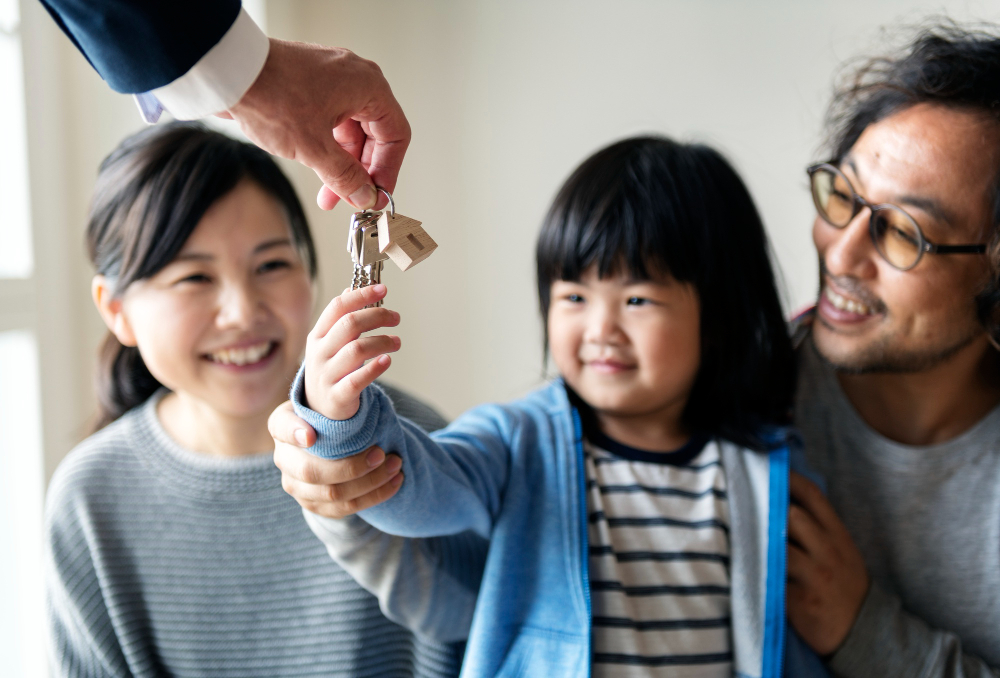
It is tempting to think of homeownership as the day the keys are finally handed over.
The day renovation starts.
The day furniture arrives.
The day a flat becomes a home.
But for many Singaporean couples, homeownership begins much earlier.
It begins in the decisions made during the waiting years.
The sacrifices.
The compromises.
The financial planning.
The family routines built along the way.
And for some households, it begins within the walls of a PPHS flat long before they ever step into their permanent home.
The waiting period may feel like a pause when you are living through it.
Looking back, however, many families may realise it was where some of the most important parts of the journey actually took place.
Frequently Asked Questions About PPHS in Singapore
What is PPHS in Singapore?
The Parenthood Provisional Housing Scheme (PPHS) provides temporary rental housing for eligible households waiting for the completion of their new HDB flats.
Who is PPHS designed for?
PPHS is intended to support eligible families who require temporary accommodation while waiting for their new flats to be completed.
Why do some couples choose PPHS while waiting for their BTO?
PPHS can provide temporary housing stability for households that may not wish to rent on the open market or continue living with family while waiting for key collection.
Is PPHS only for families with children?
No. Eligibility is determined by HDB's prevailing criteria. However, the scheme is often particularly relevant for young families navigating major life transitions during the waiting period.
How can couples make the most of the BTO waiting period?
Many homeowners use the waiting years to strengthen savings, plan renovation budgets, research interior designers and better understand how they want their future home to function.


