

Collecting the keys to your BTO flat is a proud moment. It marks independence and progress. Naturally, your attention turns to layout ideas, colour palettes and carpentry details.
But renovation in Singapore does not begin with freedom. It begins with structure.
BTO flats operate within a regulated system designed to protect building integrity, shared infrastructure and neighbour safety. The homeowners who experience smoother projects are not simply more creative. They are more informed.
Before you design your dream home, understand the rules that shape it.
Renovating a BTO Flat Is Not the Same as Renovating a Private Home
There is a common misconception that because a BTO flat is new, renovation is straightforward.
It is not.
HDB renovation rules are designed to protect structural safety and long-term performance. They are enforceable requirements, not suggestions.
Ignoring them does not just risk penalties. It can result in rectification orders, neighbour disputes and serious delays.
If this is your first home, approach renovation with discipline.
You Cannot Hack Everything You Want
Not all walls are equal.
Structural walls cannot be removed. Certain beams cannot be altered. Bathroom floors contain waterproofing systems that must not be compromised.
Even non-structural hacking may require prior approval under HDB's building works guidelines.
Before committing to layout changes, confirm what is legally allowed.
Unapproved structural alterations can lead to mandatory reinstatement. That means added cost, stress and lost time.
Protect your future self by checking first.
Permits Are Not Optional
Many first-time homeowners assume their contractors will “handle everything”.
That assumption can be dangerous.
Works involving hacking, plumbing, window replacement or electrical rewiring often require submission and approval in line with the official HDB renovation guidelines.
Ask for documentation.
Ask what has been submitted.
Ask what approvals have been granted.
Compliance is not paperwork for the sake of it. It is accountability.
If you want deeper understanding of renovation governance in Singapore, review the renovation verification and accreditation schemes in Singapore.

Working Hours and Noise Restrictions Affect Your Timeline
BTO renovation does not operate around your convenience.
HDB sets approved working hours, and noisy works such as hacking are restricted to specific periods.
If your move-in date is fixed, these restrictions matter.
Many homeowners underestimate how these rules affect scheduling. If you are planning tightly around key collection, read about how renovation timelines in Singapore typically unfold.
Regulation shapes time.
Ignoring it creates unrealistic expectations.
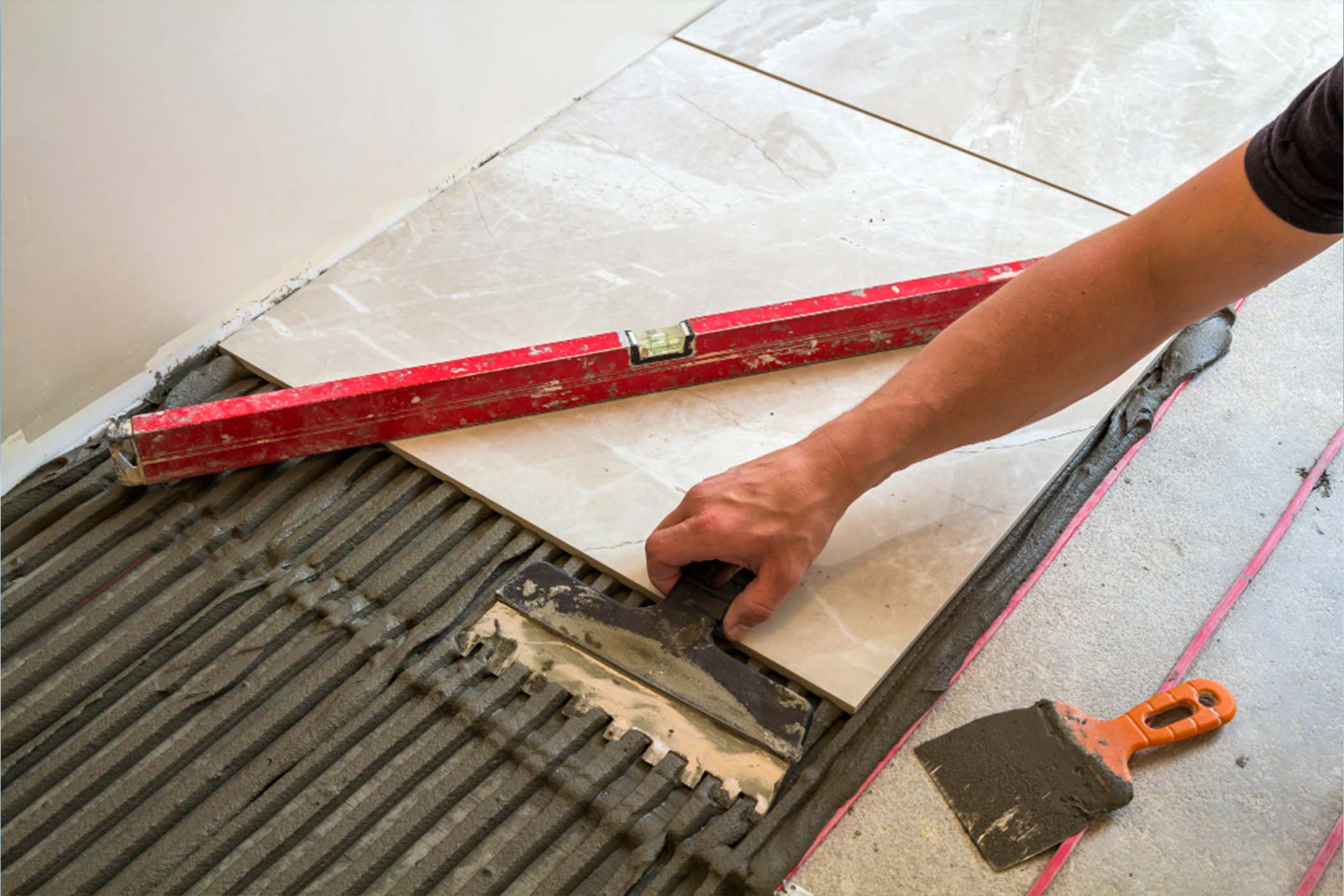
Wet Works Require Extra Care
Bathrooms and kitchens are shared infrastructure zones.
Improper hacking or alterations can damage waterproof membranes and plumbing stacks.
Water leakage disputes are expensive and emotionally draining.
Rectification often costs more than doing things properly from the beginning.
Do not experiment with wet works. Confirm compliance before altering layouts.
Budget Pressure Can Lead to Rule Violations
When renovation budgets are underestimated, shortcuts begin to appear.
Cheaper contractors. Faster works. Less documentation.
This is where compliance quietly weakens.
Budget clarity protects discipline.
If you are unsure how to structure your finances, learning how to budget for a renovation properly helps prevent pressure-driven decisions.
Financial stress should never push you into regulatory risk.
Choosing the Right Professional Matters Even More for BTO
Choosing the Right Professional Matters Even More for BTO
BTO flats are new builds, but that does not make renovation simpler.
In many ways, it requires more precision.
The first and most crucial question you should ask is simple:
Is the contractor HDB-licensed?
Only contractors listed in the official HDB Directory of Renovation Contractors (DRC) are permitted to carry out renovation works in HDB flats
These contractors are familiar with HDB renovation rules, structural safety requirements and proper submission procedures. They are trained to work within regulatory standards designed to protect both your unit and the building as a whole.
Failing to appoint a registered contractor can result in:
- Renovation delays
- Financial penalties
- Stop-work orders
- Mandatory reinstatement
- Or, in severe cases, irreversible structural damage
This is not an administrative technicality. It is a structural safeguard.
Before signing any quotation, verify the contractor’s registration status directly on the HDB website.
If you are also considering engaging an interior designer, ensure they collaborate with HDB-registered contractors and understand submission procedures. Knowing how to choose the right interior designer is not just about design style. It is about compliance discipline
Experience in BTO renovation is procedural, not cosmetic.
Rules Are Not Restrictions. They Are Protection.
It is easy to see renovation rules as limitations.
But they exist to protect:
- Structural integrity
- Fire safety
- Waterproofing systems
- Neighbouring units
- Long-term property value
First-time homeowners focus on what they want to build.
Experienced homeowners focus on what must not be compromised.
The difference becomes clear when problems arise.

How First-Time BTO Owners Should Approach Renovation
1. Understand the Rules Before Designing
Do not design first and verify later.


