

For many new homeowners at Costa Grove, collecting the keys marks the start of a long-awaited chapter. The anticipation is often accompanied by a quieter question, how should the space be planned to support the way one lives?
A 4-room BTO layout offers a practical framework, but it rarely dictates how a home should feel or function. The decisions made in these early stages, what to open up, what to retain, what to prioritise, often shape daily life far more than any decorative choice that follows. These early decisions also have a direct impact on overall renovation costs, something many homeowners only realise midway through their renovation journey.
To explore how the same layout can respond to different needs, we invited D&I Design Interior, known for their practical and technically grounded approach to residential planning, to reinterpret a typical Costa Grove 4-room plan through three distinct approaches.
“Most renovation issues don’t come from design ideas. They come from decisions that weren’t thought through early enough. Planning properly at the start often saves homeowners from problems they only discover much later.”
— D&I Design Interior
Each layout reflects a different stage of life, from young couples to growing families and multi-generational households.
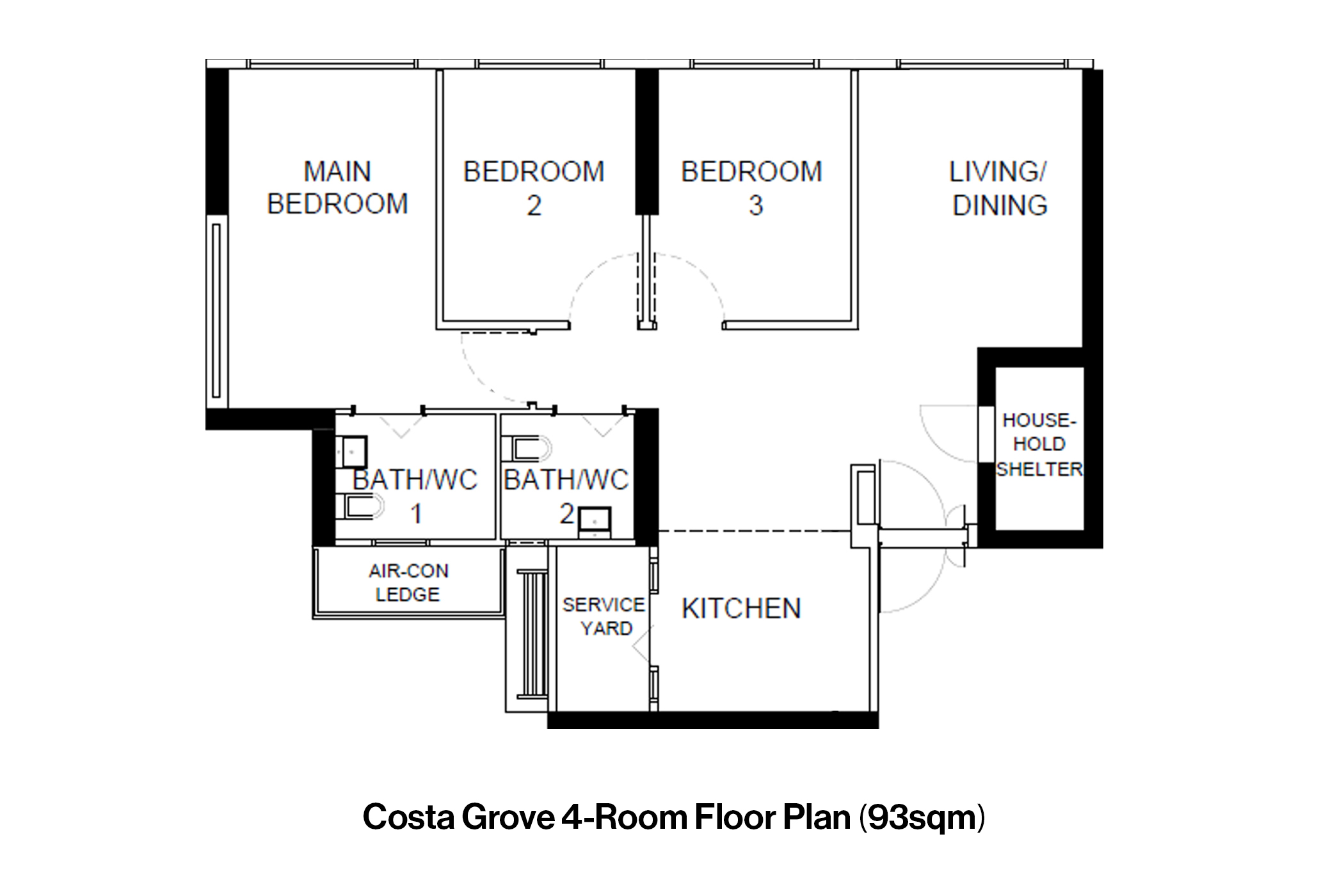
Understanding the Costa Grove 4-Room BTO Layout
The 4-room BTO layout remains one of the most versatile configurations for homeowners in Singapore. In fact, this layout had been in use since the 2010s. It typically comprises a living and dining area, a kitchen, and three bedrooms, offering a balanced mix of shared and private spaces. Another key feature of this layout is the bomb shelter conveniently positioned at the entrance area, very accessible to the storage space.
Yet within this structure lies a degree of flexibility that is often underexplored. While the layout appears straightforward, small shifts in spatial planning, such as how rooms are allocated or how partitions are treated, can significantly influence how the home functions over time.
Rather than viewing the layout as fixed, it is more useful to see it as a starting point, one that can be adapted to suit different lifestyles, priorities, and stages of life. Working with the right interior designer can make a significant difference in how effectively these possibilities are explored and translated into a functional home.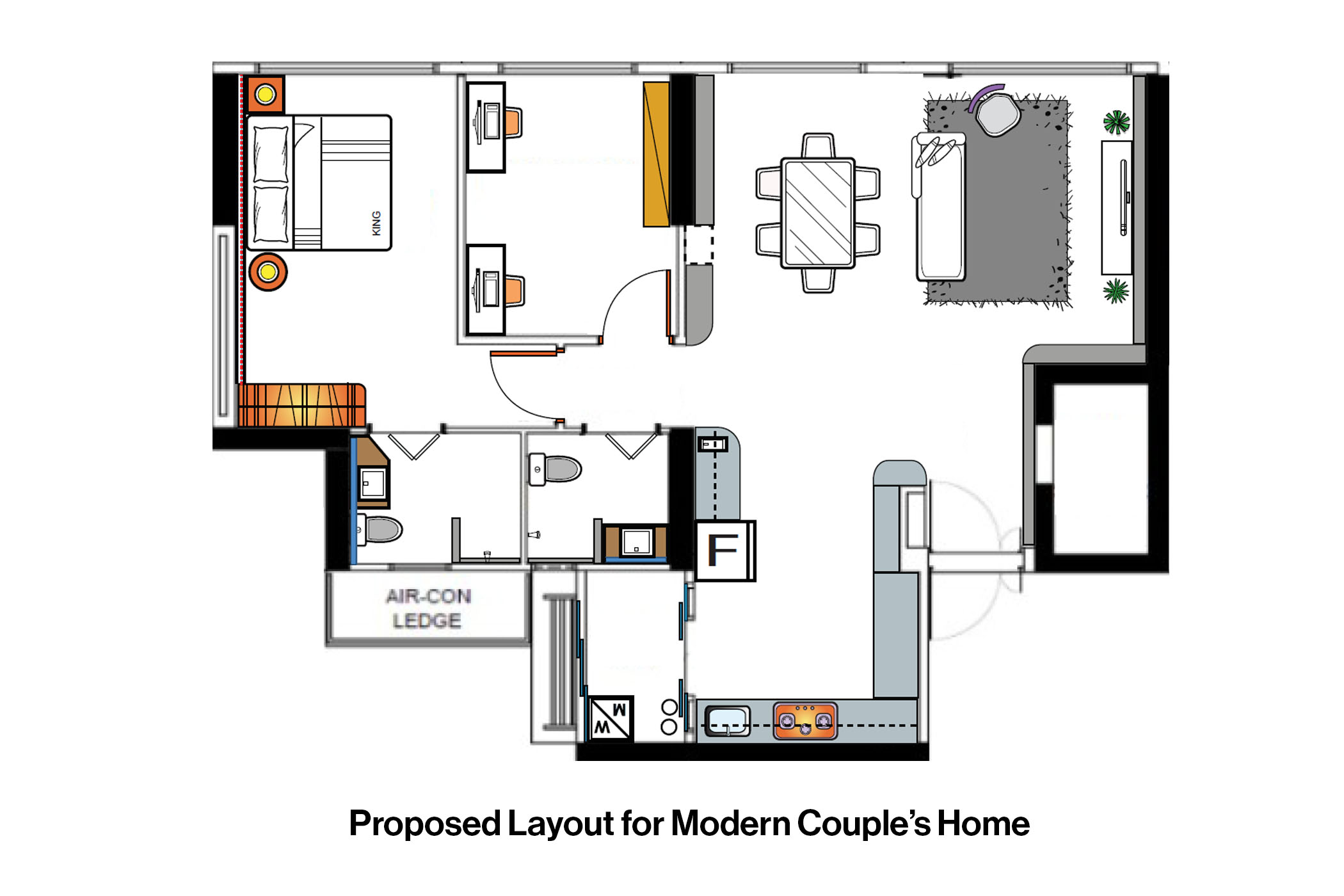
A Modern Couple’s Home for Open Living
Designed for young homeowners at the beginning of their journey, this layout shifts the focus away from maximising room count and towards creating a more open and adaptable living environment.
In this approach, secondary rooms are pared back or rethought, allowing the living and dining areas to take on a more prominent role within the home. The result is a space that feels less segmented, with clearer sightlines and a more natural flow between functions. Rather than being confined to individual rooms, daily activities extend across shared spaces, from casual meals to evenings spent unwinding.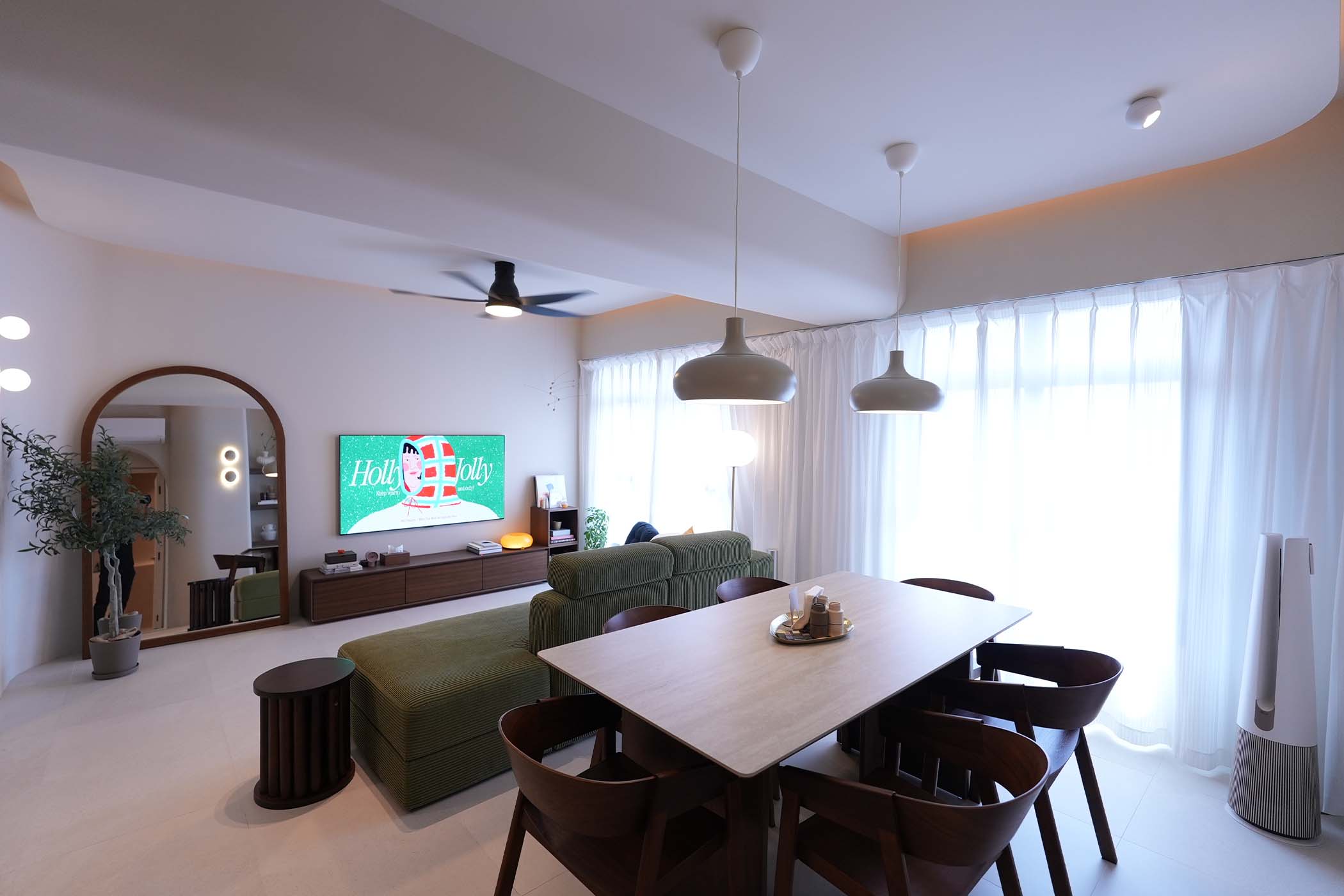
This configuration reflects a different set of priorities. For couples without immediate spatial demands, the home becomes a place to host, to relax, and to grow into over time. The flexibility of the layout also allows for future adjustments, should needs evolve, without requiring major structural changes.
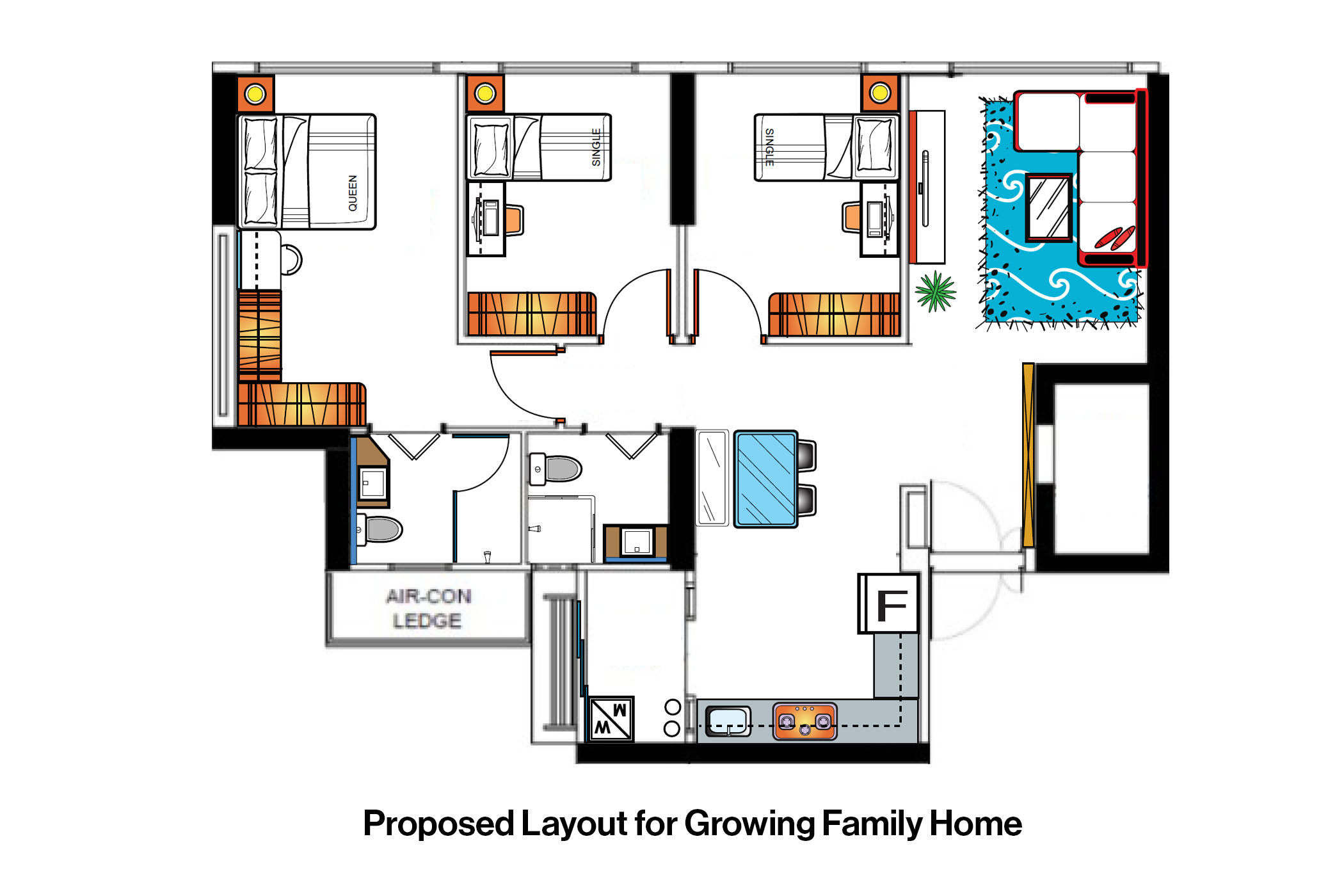
A Growing Family Home Designed for Everyday Needs
For households planning around children, the emphasis shifts towards structure, privacy, and the ability to support daily routines.
In this layout, all three bedrooms are retained as functional spaces, ensuring that each family member has a defined area for rest and personal activities. Rather than prioritising openness, the planning leans towards clarity and separation, allowing different parts of the home to operate independently throughout the day.
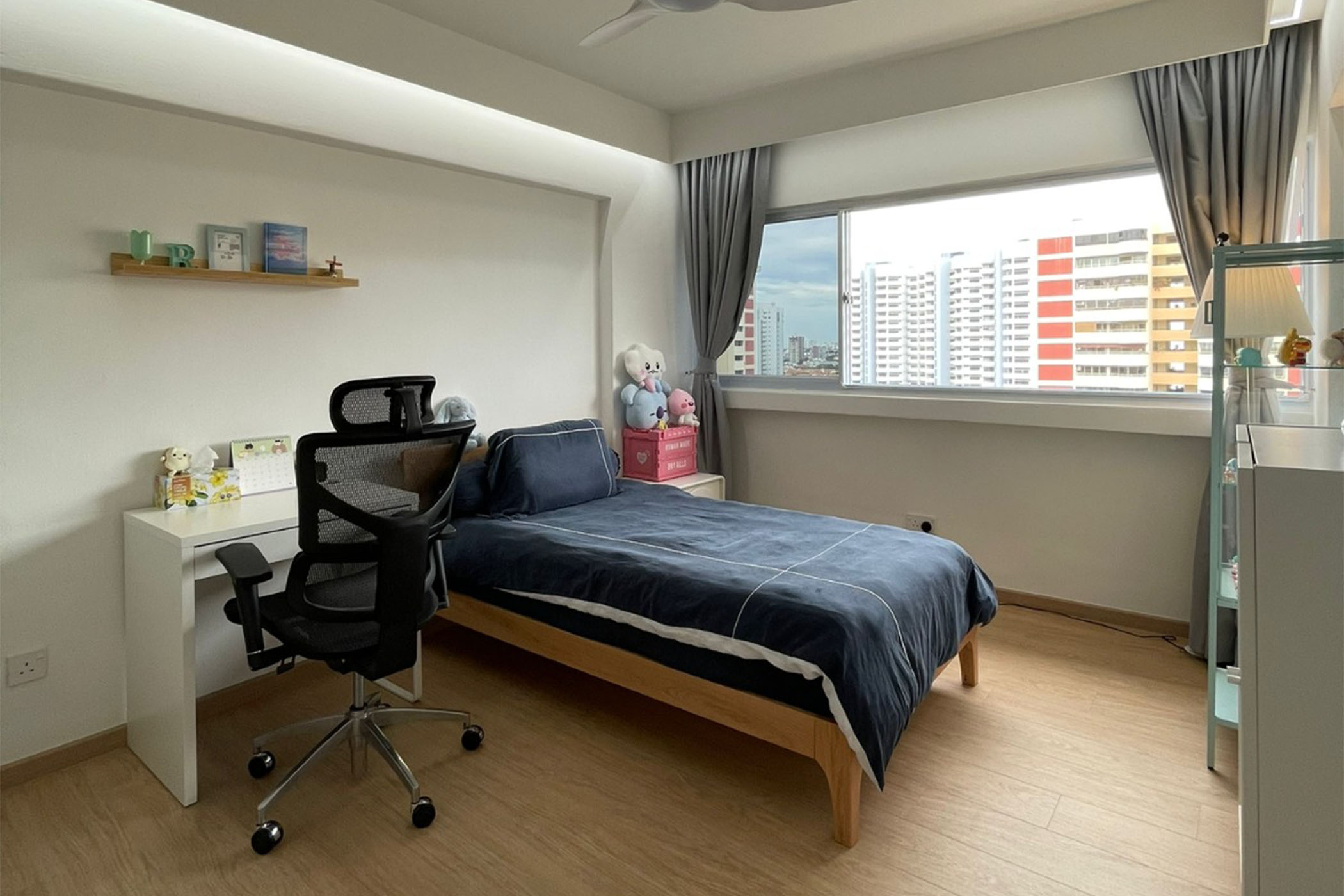
This approach reflects a more disciplined way of planning. While open concepts and aesthetic features may be appealing, practical needs such as sleep, study, and storage tend to take precedence as families grow. By organising the layout around these essentials, the home becomes more resilient to change over time.
It is a reminder that good planning is not always about adding more, but about making deliberate decisions on what to keep, and why.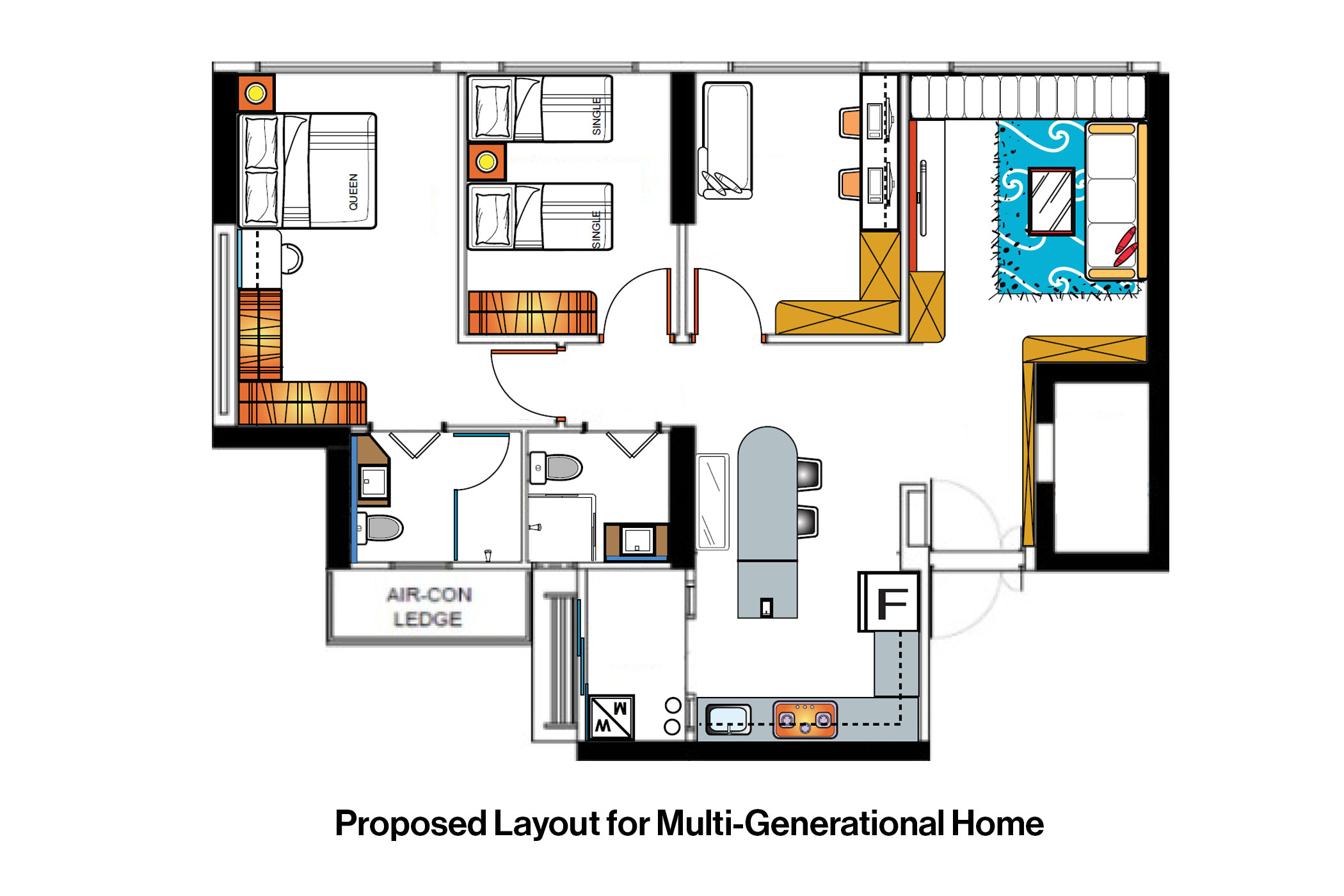
A Multi-Generational Home That Supports Long-Term Living
In a multi-generational setting, the role of the home extends beyond individual comfort to supporting a shared way of living across different age groups.
This layout takes a considered approach to spatial planning, ensuring that the needs of both younger and older family members are addressed. Bedrooms are arranged to provide adequate privacy, while common areas remain accessible and easy to navigate. Circulation within the home is kept clear, allowing for ease of movement and reducing potential constraints over time.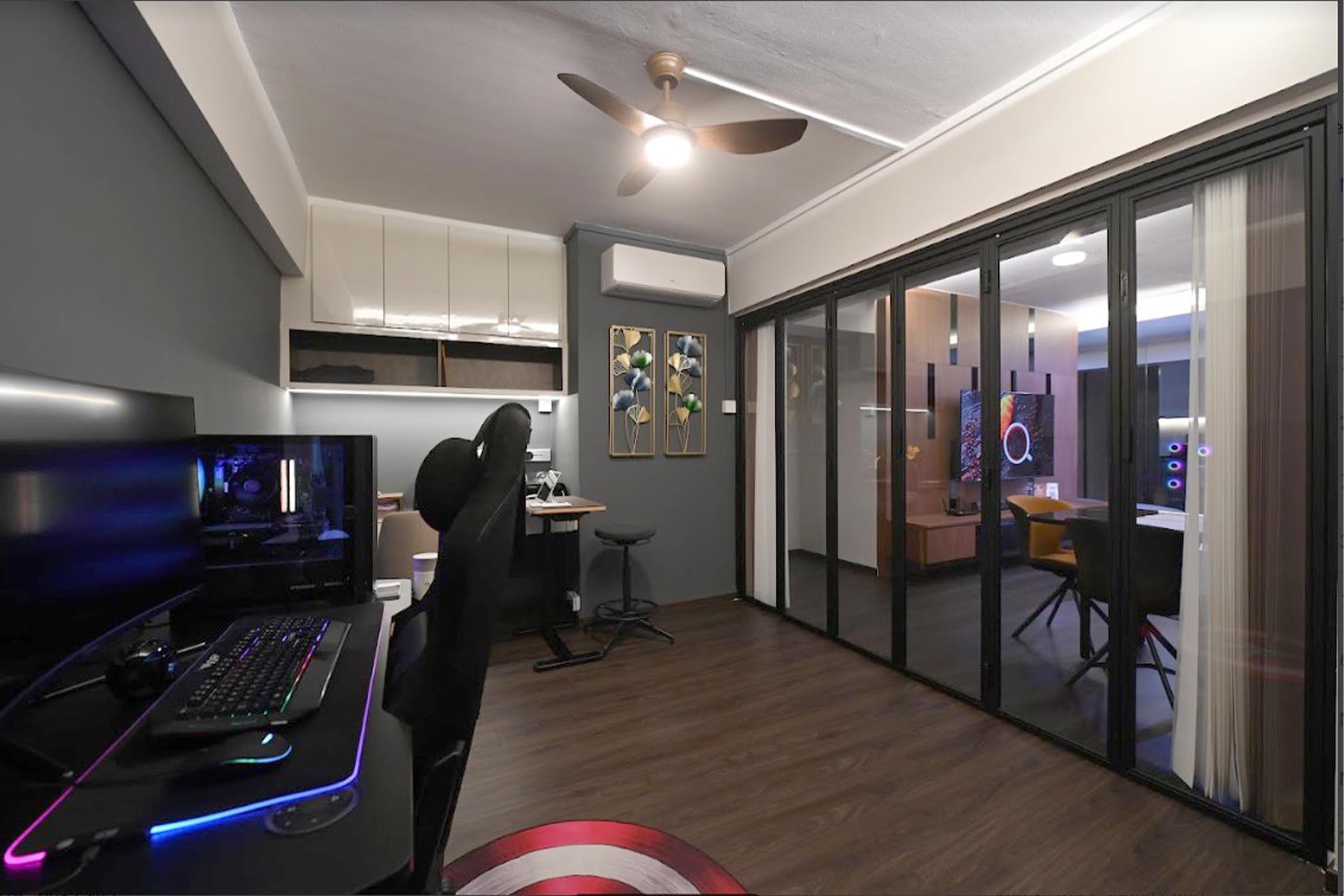
Rather than introducing overly complex interventions, the focus here is on balance. Spaces are designed to accommodate varying routines, whether it is quiet rest, family interaction, or day-to-day caregiving. The overall planning reflects a longer-term view, where adaptability and comfort are prioritised over short-term design trends.
Why Planning Matters Before Renovation Begins
What these variations make clear is that a home is rarely defined by its floor plan alone. The same set of walls can support very different ways of living, depending on how space is prioritised and arranged.
For homeowners at Costa Grove and beyond, the early stages of planning present an opportunity to shape not just the layout, but the rhythm of daily life that follows. It also helps set realistic expectations around renovation timelines, which are often longer than anticipated when planning decisions are not aligned early on. Approaches like those explored by D&I Design Interior reflect a more grounded way of thinking about renovation, one that prioritises how a home performs over time, rather than how it appears at first glance.
About D&I Design Interior
D&I Design Interior takes a practical and technically grounded approach to residential design, with a strong emphasis on how spaces perform beyond the point of completion. Rather than focusing purely on aesthetics, the studio places importance on planning decisions that support long-term liveability.
Known for prioritising needs over wants, the team works closely with homeowners to identify what is essential, from spatial efficiency to construction considerations, before layering in design elements. In a landscape where renovation standards and practices can vary, working with firms that follow structured processes and recognised benchmarks becomes increasingly important. This approach reflects a deeper understanding of common renovation challenges, including issues that often surface only after handover.
With experience across a range of home types, from BTO flats to private residences, D&I’s work is shaped by a belief that good design is measured not just by how it looks, but by how well it works over time.
Frequently Asked Questions About Costa Grove BTO Renovation
What can I change in a 4-room BTO layout?
Homeowners can reconfigure non-structural elements such as partitions, carpentry, and space allocation. Structural walls and certain building elements must comply with HDB renovation guidelines.
When should I start planning my BTO renovation?
It is advisable to begin planning before key collection. Early decisions help align layout, budget, and contractor selection, reducing the likelihood of costly changes later.
Is it better to keep all bedrooms in a 4-room BTO?
This depends on lifestyle needs. Families may prioritise retaining bedrooms, while couples may prefer to open up space for larger communal areas.
Can a 4-room BTO support multi-generational living?
Yes. With thoughtful planning, the layout can accommodate multiple generations by balancing privacy, accessibility, and shared spaces.
What is the most important factor in BTO renovation planning?
Early decision-making is key. Choices made at the planning stage will have a lasting impact on how the home functions over time.


