

There was a time in Singapore when stepping into a newly renovated home and smelling that sharp, chemical-laced "new house smell" was almost seen as a badge of success.
Fresh carpentry. Fresh laminate. Fresh paint. Fresh start.
People associated that smell with renovation progress. With money well spent. With a dream home finally becoming real.
But what if the smell was never supposed to be celebrated in the first place?
As Singaporeans spend more time indoors than ever before, conversations around healthy homes are becoming increasingly important. The issue is no longer just about design aesthetics. It is about the environments we live in every day.
Recently, Channel News Asia once again highlighted the growing concern surrounding formaldehyde exposure in newly renovated homes. And honestly, this conversation is long overdue.
As someone who has spent close to three decades in the interior design and renovation industry, I think the issue goes beyond just formaldehyde. It is also about how Singaporeans have quietly evolved into what many researchers now call the "Indoor Generation".
And when you really think about it, it makes perfect sense.
Singapore today is vastly different from the Singapore many of us grew up in.
Our Old Homes Actually Breathed
Back then, homes breathed differently.
Old HDB flats had louvred windows. Even bedroom doors often came with ventilation louvres above them. Cross ventilation was not a "feature". It was simply how homes were designed.
Many families left their main doors open during the day. Neighbours chatted across corridors. Air moved naturally through homes. And because air moved, homes breathed.
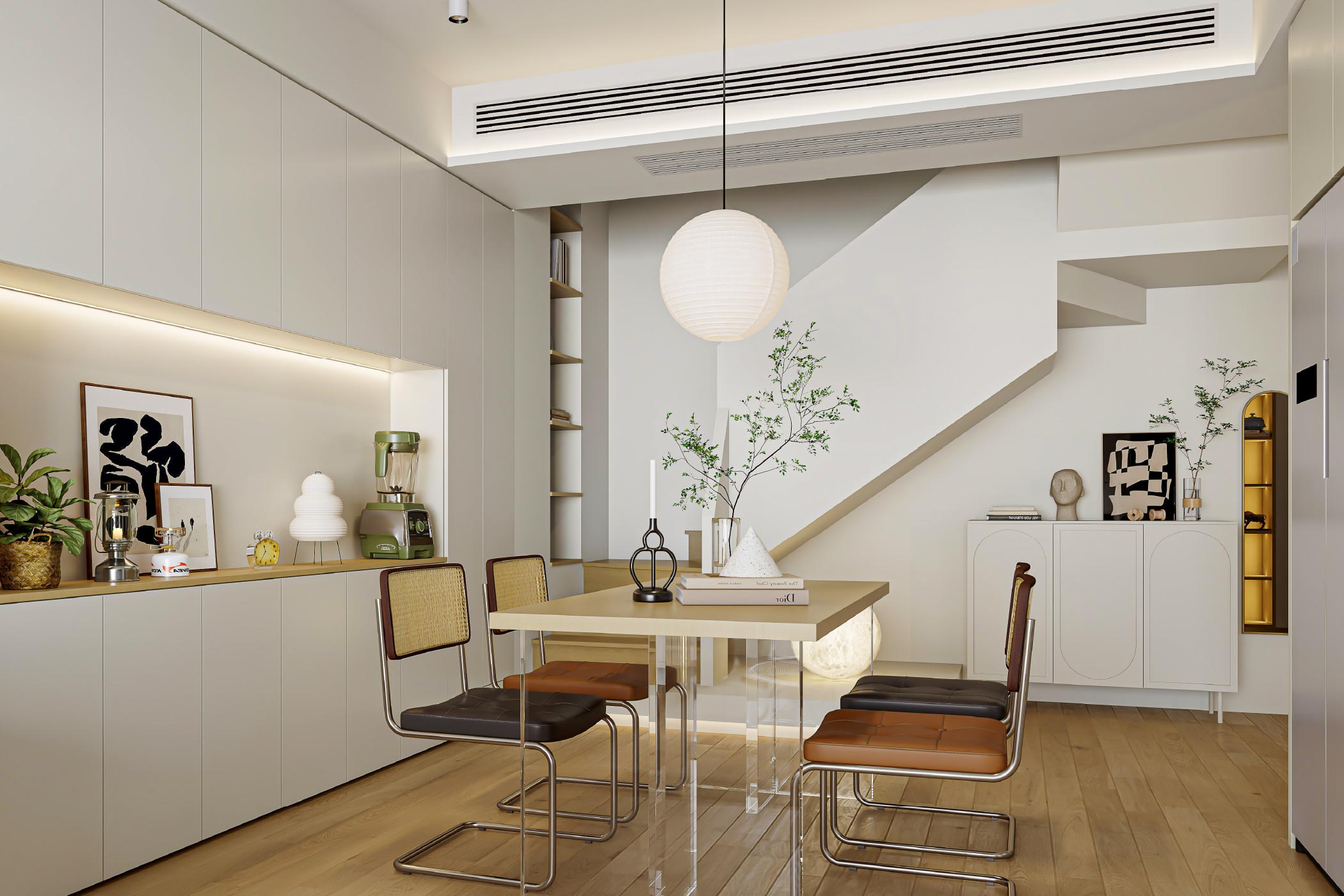
Today, many modern homes are almost sealed environments. Windows remain shut most of the day because the air-conditioning is running. Bedrooms are enclosed tighter for privacy and cooling efficiency. Main doors remain closed.
Noise pollution, haze concerns, security concerns and lifestyle changes have all contributed to us becoming far more enclosed than previous generations ever were.
Then came COVID.
Suddenly, our homes became offices, classrooms, gyms, entertainment spaces and recovery spaces all at once.
We are spending more hours indoors than ever before. And that changes everything.
Because when occupants spend 80% to 90% of their time indoors, indoor air quality is no longer a secondary issue.
It becomes a health issue.
This is where the formaldehyde conversation becomes deeply important.
Formaldehyde Was Never the Real Surprise
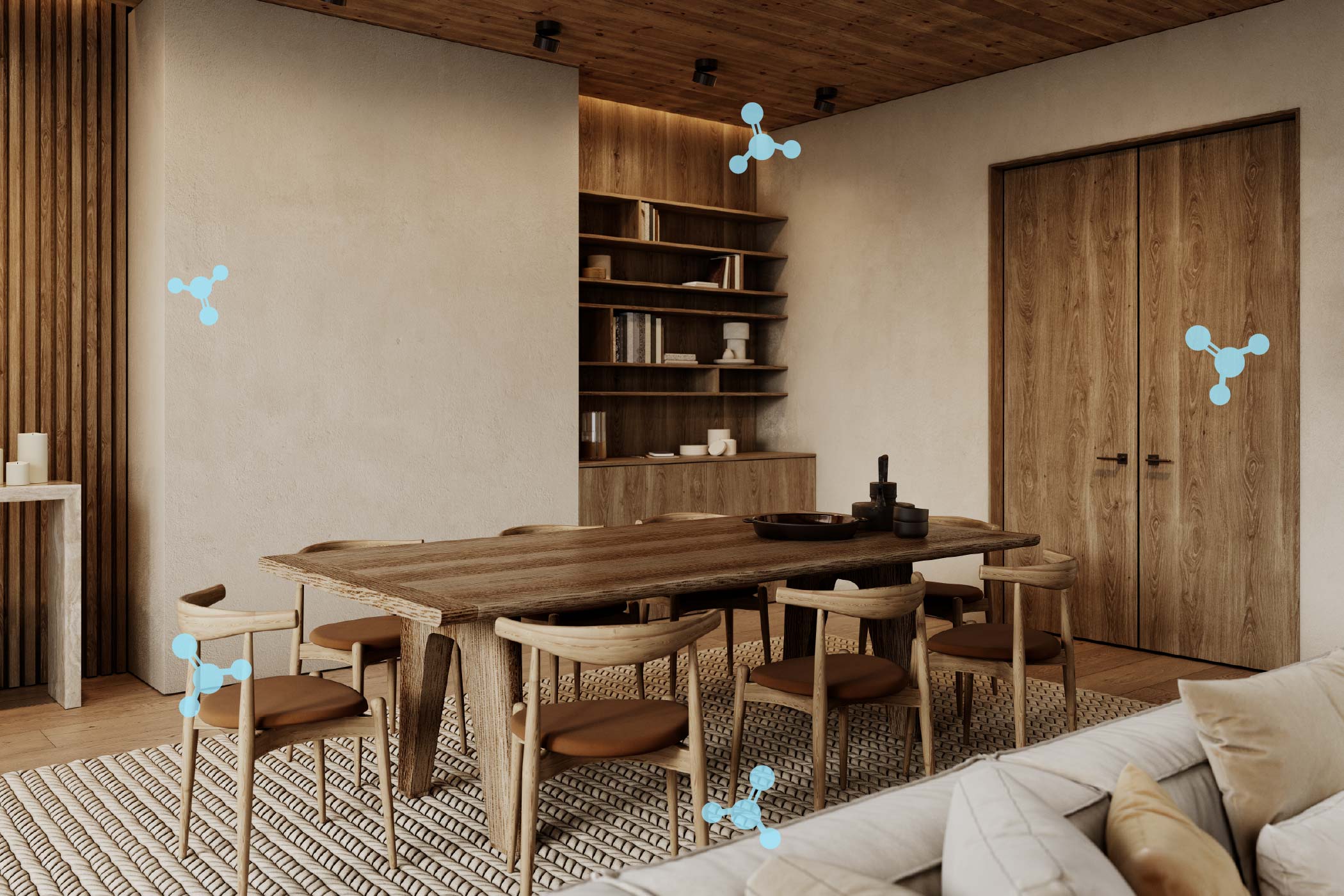
Formaldehyde is not some mysterious new chemical suddenly discovered in 2026.
It has existed within renovation materials for years. Plywood, adhesives, laminates, MDF boards, coatings, paints and engineered wood products have long relied on chemical compounds that release gases over time.
The issue was never just the existence of these materials.
The issue is that modern living patterns amplify exposure.
Smaller apartments. Reduced ventilation. Greater reliance on air-conditioning. More enclosed carpentry-heavy interiors. Longer indoor occupancy hours.
All these factors compound the problem.
Ironically, many of today's renovation trends unintentionally worsen indoor air circulation.
Large built-ins. Concealed spaces. Window-blocking feature walls. Fully enclosed rooms. Hotel-inspired aesthetics designed more for visual minimalism than environmental performance.
Homes look cleaner.
But they may not necessarily breathe better.

Why Indoor Air Quality Matters More Than Ever
What struck me most from the recent CNA coverage was not merely the science.
It was the emotional reality behind it.
Families speaking about recurring illnesses. Children developing sensitivities. Homeowners spending tens of thousands renovating their dream homes, only to later discover the environment itself may be contributing to discomfort or poor health.
That is heartbreaking.
Renovation is supposed to improve lives, not compromise them.
This is also why, more than a decade ago, I began speaking about green interior design and healthier homes long before it became fashionable marketing language.
Back then, sustainable design was often misunderstood as merely "using greener products" or adding more plants into the home.
But true healthy design goes far deeper.
It involves ventilation planning and thermal comfort.
It considers moisture management, daylight integration, air movement and reducing long-term pollutant exposure.
Most importantly, it is about designing homes that work with the human body, not against it.
And honestly, I think this is where the industry still has a long way to go.
When Design Decisions Prioritise Looks Over Well-Being
Many homeowners today still make renovation decisions primarily based on visuals, budget and rapport with their designer.
Very few ask:
• How well will this home ventilate naturally?
• What grade of materials are being used?
• Are the adhesives low-VOC?
• Will this design trap heat?
• Will this space encourage healthier living patterns?
For years, the industry trained homeowners to chase inspiration boards rather than environmental performance.
But perhaps this recent wave of conversations is necessary.
In reality, the future of interior design cannot simply be about photogenic homes.
The future belongs to spaces that are healthier, more breathable and more responsible for the people living inside them.
Especially in Singapore.
Especially for the Indoor Generation.
At SIXiDES, this is also why we continue pushing conversations around healthier interiors, green verification and responsible renovation practices.
Not because it is trendy.
But because we genuinely believe the spaces, we build shape the lives we live.
A beautiful home should not just impress visitors during housewarming.
It should quietly take care of the people inside it for years to come.
Because ultimately, the success of a home is not measured by how good it looks on the day of handover. It is measured by how well it supports the health, comfort and well-being of the people living inside it.
Frequently Asked Questions About Indoor Air Quality and Healthy Homes in Singapore
What causes the "new house smell" after renovation?
The smell often comes from chemicals released by renovation materials such as adhesives, laminates, paints, engineered wood products and coatings.
What is formaldehyde and why is it a concern?
Formaldehyde is a chemical commonly found in certain building and furnishing materials. Poor ventilation and prolonged exposure may contribute to indoor air quality concerns.
How can homeowners improve indoor air quality after renovation?
Minimalist contemporary interiors focus on clarity, restraint and purposeful detailing. The goal is to create spaces that feel calm, functional and timeless.
Do modern homes have poorer ventilation than older homes?a 5-room HDB renovation typically cost?
Not necessarily, but many modern homes rely more heavily on air-conditioning and have fewer natural ventilation pathways compared to older housing designs.
Why is planning important before renovation begins?
Planning influences everything from circulation and storage to lighting and daily functionality. In many cases, thoughtful planning has a greater impact on long-term liveability than decorative choices alone.


