

In today’s homes, design is often about precision. Clean lines, curated palettes and carefully chosen materials come together to create spaces that feel considered and complete. Yet within these composed interiors, a quieter shift is taking place. More homeowners are turning to plants not as finishing touches, but as essential elements of the space. What was once purely decorative is now becoming part of how a home feels, functions and evolves over time.
The Rise of “Skinny Trees” in Singapore Homes
I’m not talking about the tiny tabletop kind we used to see years ago, but tall, slender indoor trees. The kind that looks slightly awkward, slightly fragile, yet strangely elegant.
- The bottle tree.
- The ever-fresh tree.
And a whole generation of what I like to call skinny looking trees that have suddenly become the darlings of interior design.
At first glance, it might seem like just another aesthetic trend. Something designers add to soften a space or fill an empty corner. But plants at home are far more than
decoration.
- They are psychology.
- They are habit.
- They are health.
And increasingly, they are part of how we reconnect with a world that most of us rarely step into anymore.
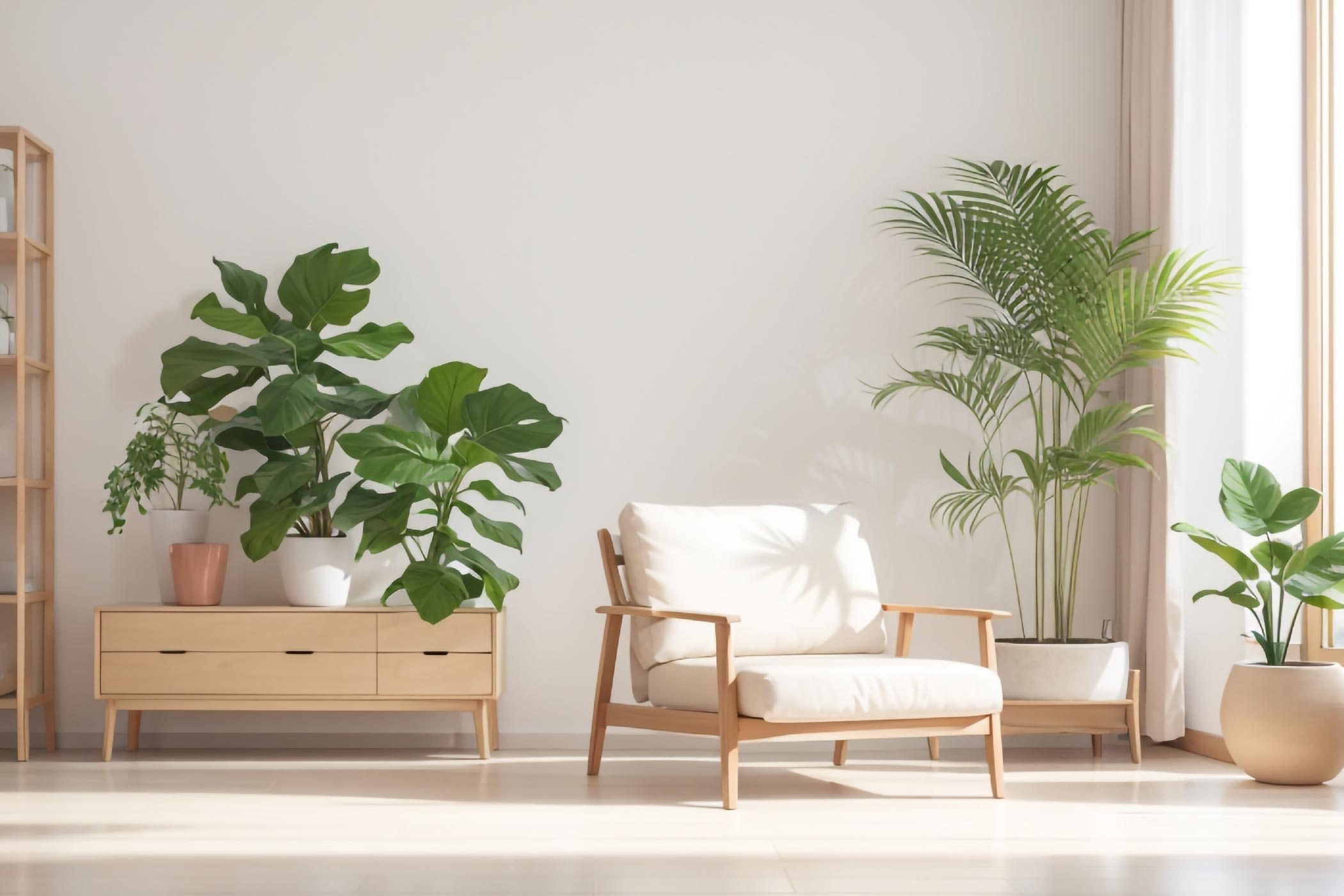
Why Indoor Plants Are More Than Just Decor
Modern Singapore homes are beautifully designed, but they are also very controlled environments.
- Air-conditioning.
- Artificial lighting.
- Sealed windows.
- Screens everywhere.
We spend a staggering amount of time indoors. So, when a living plant enters the home, something subtle happens. The space becomes slightly less static. A plant
grows, changes, responds to light and occasionally refuses to cooperate.
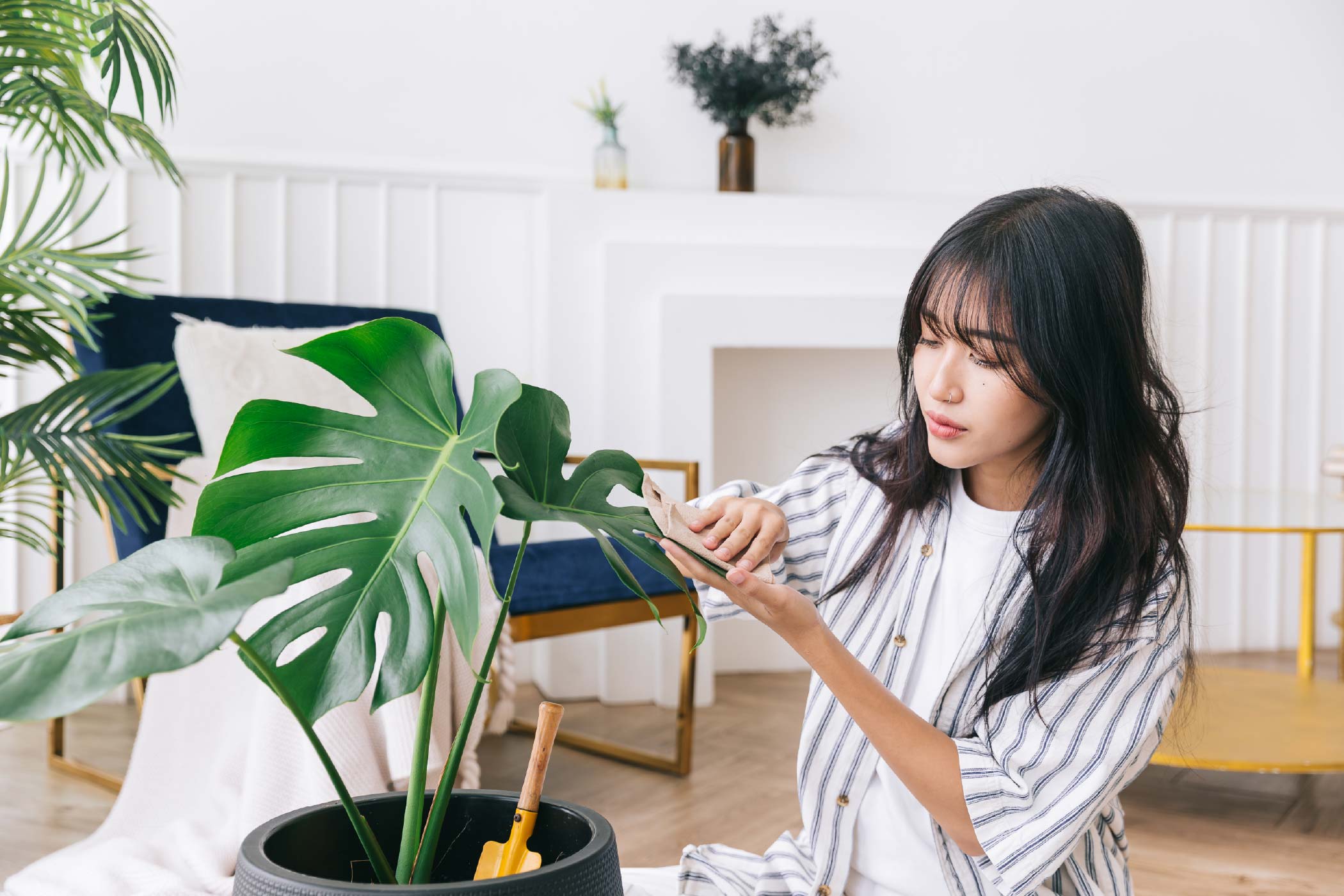
It reminds us that life is not just digital. And psychologically, caring for a plant does something interesting to the human mind. It creates micro-responsibilities.
- Watering.
- Rotating the pot for sunlight.
- Trimming leaves.
- Checking soil.
These are small acts, but they introduce rhythm and routine. For children, especially,
this can be an early lesson on care and responsibility. A plant doesn’t shout for attention, but it rewards consistency.
From Hobby to Lifestyle: The Rise of Plant Culture
Another fascinating shift in recent years is how plant culture itself has become a
lifestyle movement. A big part of that inspiration comes from creators like benjiplant, who have turned plant keeping into something visual, calming, and almost meditative.
Through videos and posts, people are discovering not just plants, but an entire world surrounding them, from soil mixes to pruning techniques to the art of pairing plants with ceramics and pottery.
What used to feel like a hobby for gardeners now feels like a design language for modern homes. Plants are no longer random decorative pieces. They are curated, chosen and styled.
The “Skinny Tree” Trend in Singapore Interior Design
Interior designers used to rely heavily on fuller plants, palms, monsteras, Alocasias or large leafy greens. But today, something unexpected has become fashionable. Trees that look… slightly underfed.
The bottle tree with its tall trunk and sparse leaves. The ever-fresh tree with its delicate branches and soft movement. They bring height to a space without
overwhelming it.
In minimalist interiors, which Singapore homes increasingly lean toward, these slender trees work beautifully, providing vertical drama without turning the room into a jungle. It’s almost like placing a living sculpture inside the home.
Making Plant Styling More Accessible in Singapore
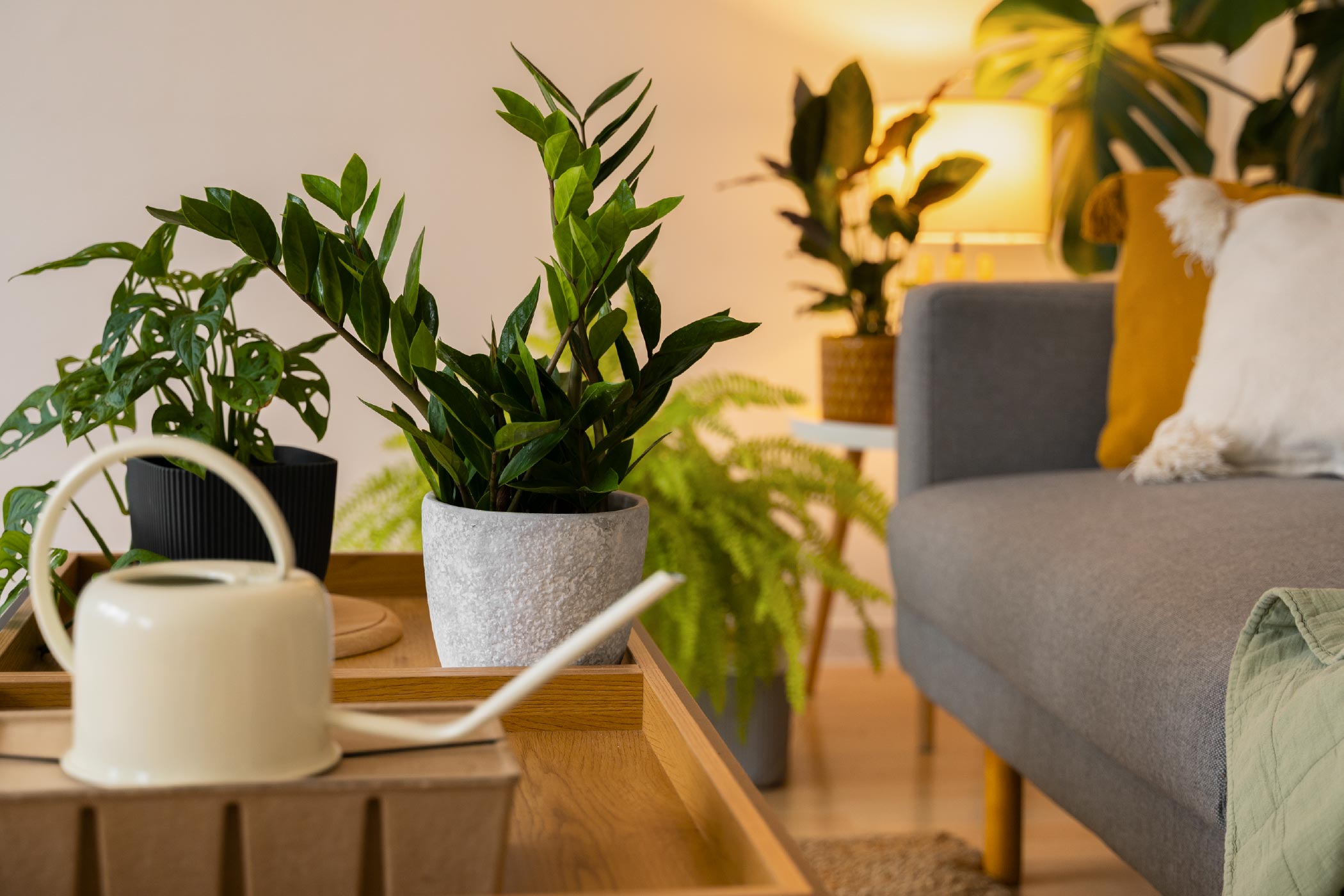
Of course, trends alone don’t build communities. Accessibility does. And this is where places like Plunt.co and Soilboy have done something quite special. They’ve turned plant shopping into an experience rather than a chore.
Beautiful displays, thoughtfully paired pots and plants and friendly advice instead of intimidating plant jargon.
You walk in not just to buy a plant, but to imagine how that plant might live inside your home. For many people, this removes the biggest barrier to starting, the fear of
not knowing where to begin.
Plant keeping then suddenly becomes approachable, enjoyable and even a little addictive.
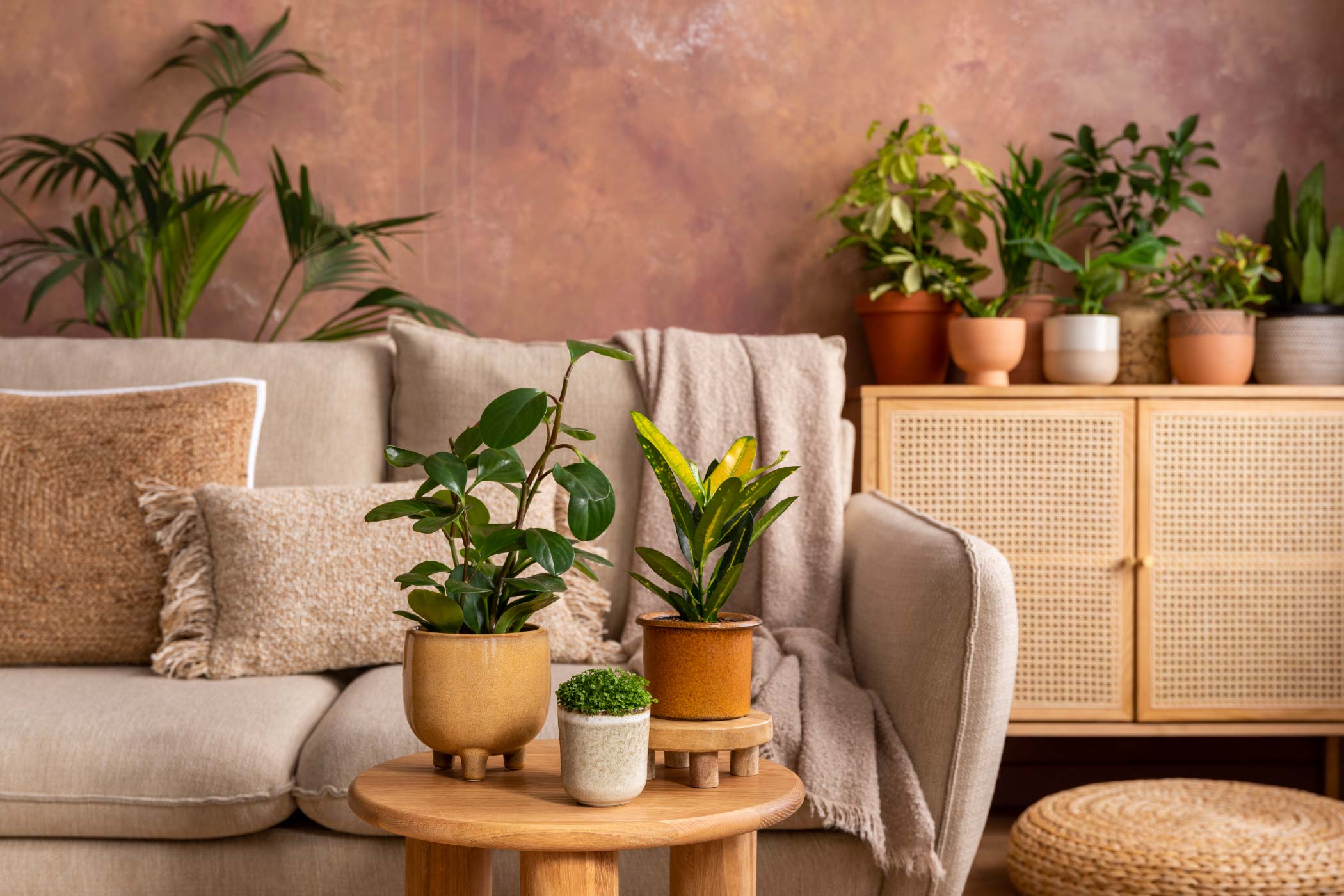
The Quiet Benefits of Bringing Greenery Indoors
Interior design often focuses on materials, wood, stone, laminate and fabric. But plants introduce something none of those materials can replicate.
Life.
They soften hard edges, improve perceived air quality, reduce visual stress and subtly remind us to slow down. In a city where homes are compact and life moves
fast, a small patch of green inside the home can feel surprisingly grounding. So, the next time you see a skinny tree standing quietly in someone’s living room, remember:
- It’s not just there to look pretty.
- It might be teaching someone patience.
It might be encouraging a child to care for something.
Or it might simply be giving the home a little bit of the outside world, something we all need more of. And sometimes, that small patch of green is exactly what a modern home needs.
Frequently Asked Questions About Indoor Plants
What are indoor plants used for in home design?
Indoor plants are used to improve the look and feel of a home. In Singapore interiors, they are no longer just decoration. They help make spaces feel more natural, calm and lived-in.
Why are skinny trees popular in Singapore homes?
Skinny trees like bottle trees and ever fresh trees are popular because they add height without taking up much space. They are ideal for HDB flats and condos in Singapore and suit modern minimalist interiors.
What are the best indoor plants for small Singapore homes?
Good indoor plants for small homes include bottle trees, ever fresh trees, snake plants and smaller fiddle leaf figs. These plants fit well in tight spaces while still adding greenery.
If you are starting out, these hard-to-kill indoor plants for new plant parents are a great place to begin.
Are indoor plants easy to maintain in Singapore?
Yes, most indoor plants are easy to maintain in Singapore’s climate. They need indirect sunlight, regular but not excessive watering, and good drainage. Avoid overwatering, especially in air-conditioned rooms.
Do indoor plants improve wellbeing?
Indoor plants can help create a calmer home environment. They make spaces feel more relaxed, reduce visual stress and add a sense of routine through simple plant care.
How do you style indoor plants at home?
Style indoor plants by using fewer but larger statement pieces. Place them in corners or near natural light. Skinny trees work well in modern Singapore homes as simple focal points.


