

You look out of your window, and the familiar Singapore skyline has disappeared behind a blanket of grey. The burning smell is back, the air feels heavy, and your eyes sting. And suddenly, opening your windows for some fresh air doesn't sound like such a good idea anymore.
Singapore's haze problem has returned to the spotlight, with smoke from regional fires affecting air quality across the island.
Naturally, the instinct is to stay indoors, shut the windows and switch on the air-conditioning.
But just because you're indoors doesn't mean you're breathing clean air.
Fine particulate matter, commonly known as PM2.5, can still enter homes through openings and gaps. Although you cannot control the haze outside, there are ways to reduce your exposure to it indoors.
Whether you're preparing for your next renovation or simply looking to improve your existing home, here are six practical solutions worth considering.
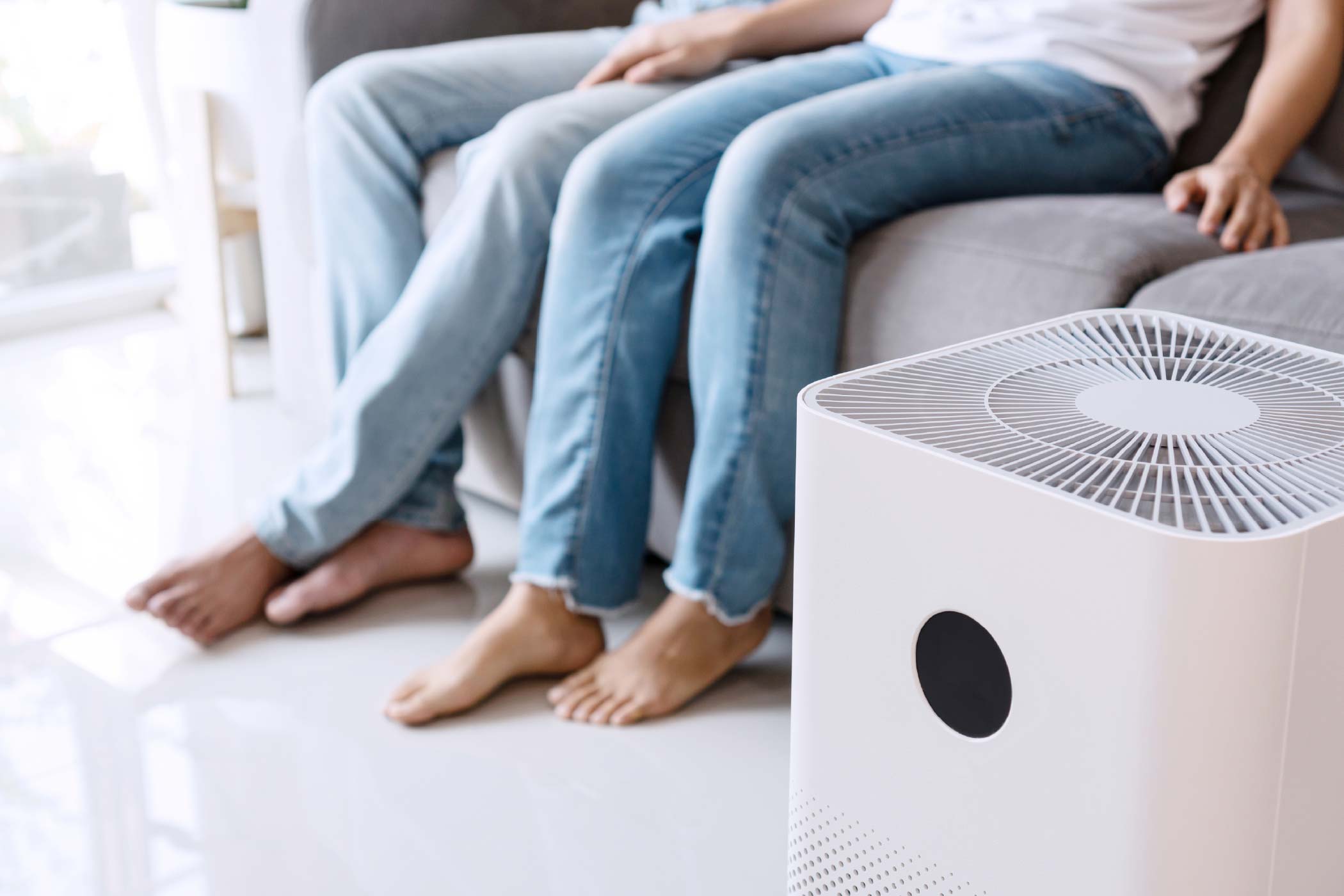
1. Invest in an Air Purifier, but Don't Just Look at the Price
When the haze hits, air purifiers are often one of the first products homeowners think about purchasing.
But before choosing the most expensive model or the one that looks best beside your sofa, there are two things worth checking: the filtration system and the size of the room it can effectively clean.
According to NEA's haze guidance, air purifiers equipped with High Efficiency Particulate Air (HEPA) filters are preferred for removing fine particles.
Another important consideration is the Clean Air Delivery Rate (CADR), which measures how much clean air an air purifier can deliver over time.
For haze, pay particular attention to the smoke CADR rating, if available.
An air purifier suitable for a small bedroom may not perform as effectively in a large, open-concept living and dining area.
What homeowners should consider:
-
Look for effective particle filtration, such as HEPA.
-
Choose a CADR appropriate for the size of your room.
-
Check the availability and replacement cost of filters.
-
Allow sufficient clearance around the unit for airflow.
For homeowners planning a renovation, it may also be worth identifying a suitable position for an air purifier early, especially if electrical sockets and built-in furniture are being planned around the space.
After all, even the most aesthetically pleasing air purifier won't be particularly useful if it's tucked away in a cabinet that blocks its airflow.
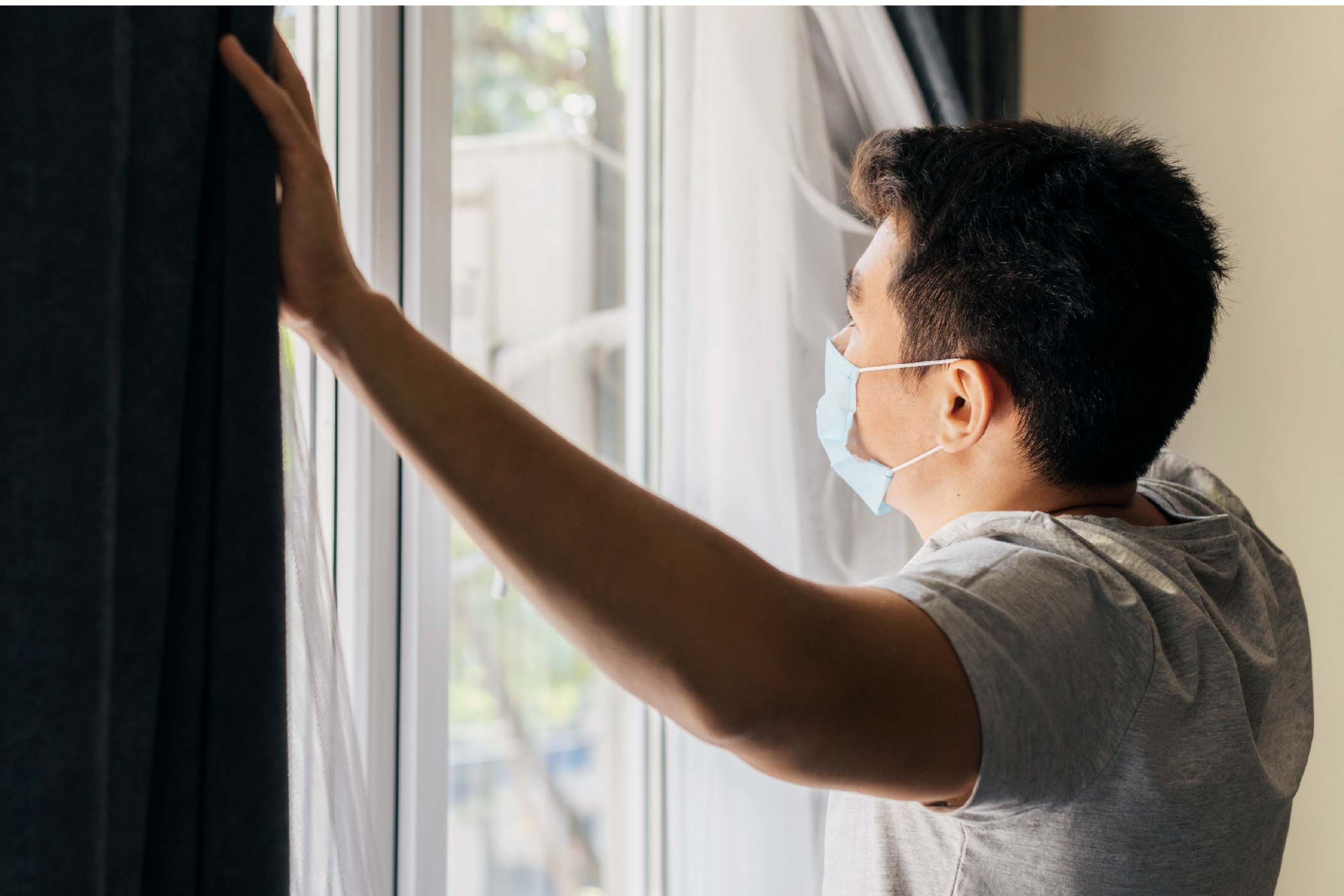
2. Check Your Windows and Doors for Gaps
Most homeowners consider their window designs based on natural lighting, ventilation and aesthetics. But during haze episodes, how well your windows and doors close become just as important.
Even with the windows shut, outdoor air can still enter through poorly fitted frames, damaged seals and other openings.
While no ordinary home is completely airtight, reducing unnecessary gaps may help limit the amount of polluted outdoor air entering your living spaces.
For existing homes, practical options include:
-
Inspecting worn window gaskets
-
Replacing damaged weather stripping
-
Checking whether doors and windows close properly.
For those renovating, this is an opportunity to pay closer attention to window fittings and installation quality rather than making decisions based purely on appearance.
However, sealing a home more tightly comes with an important consideration: indoor ventilation still matters.
As NEA advises, homeowners should close windows and doors when outdoor air quality worsens and reopen them when conditions improve. The idea isn't to keep your home permanently sealed, but to be able to control when outdoor air enters.
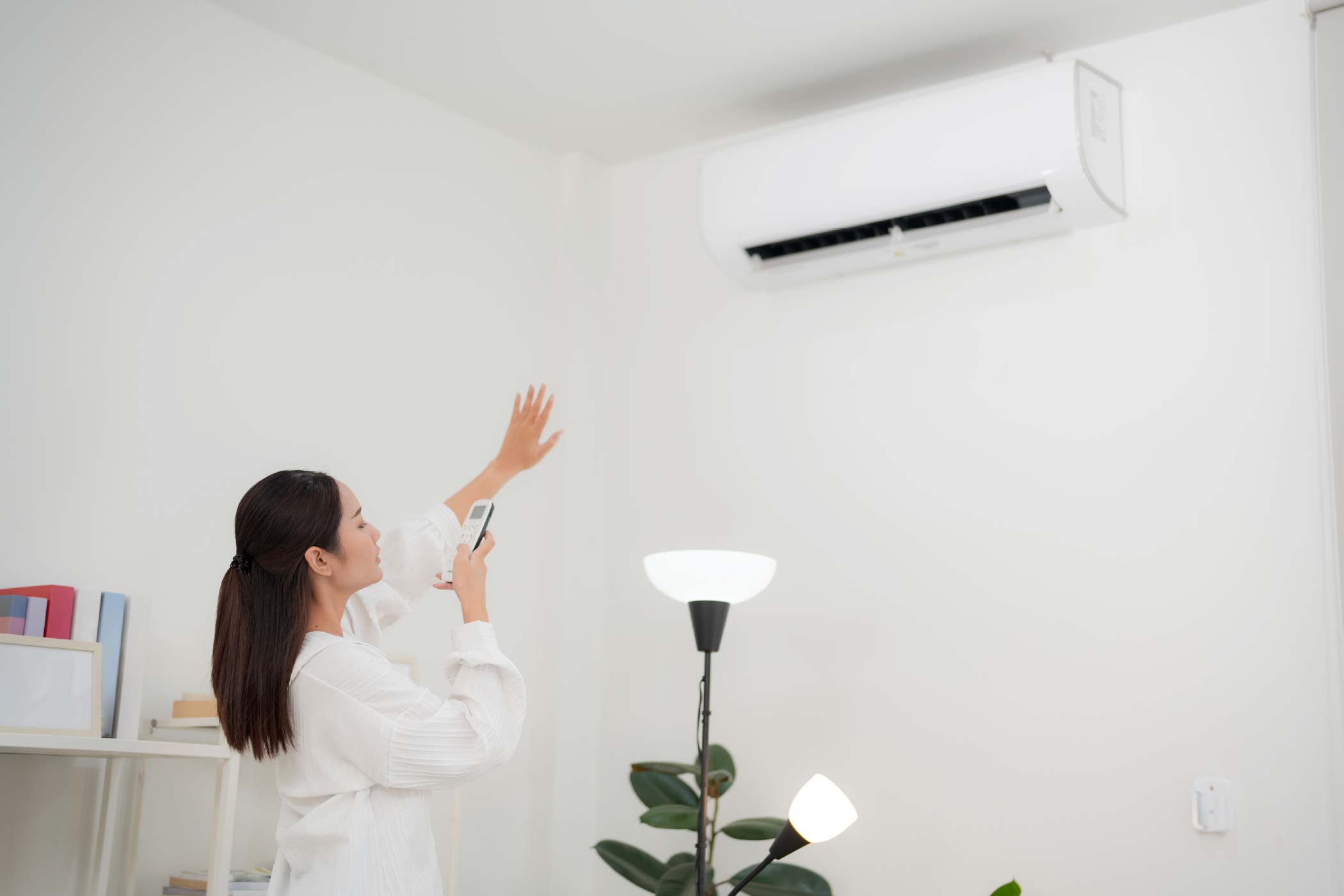
3. Your Air-Conditioner Keeps You Cool, but Does It Clean Your Air?
It's a familiar routine.
The haze gets worse, the windows close, and the air-conditioning comes on.
But while air-conditioning can make an enclosed home more comfortable, it doesn't necessarily mean that haze particles are being effectively removed.
Most conventional residential air-conditioners are primarily designed for cooling, with standard filters that generally capture larger dust particles. They should not automatically be treated as replacements for dedicated air purifiers with high-efficiency particle filtration.
According to NEA's household recommendations, fans and air-conditioners can be used for cooling and air circulation during haze episodes. If your air-conditioner draws in unfiltered outdoor air, such as certain window units, the outdoor air intake should be closed during haze episodes.
What about homeowners renovating?
Before choosing an air-conditioning system, consider the household's cooling requirements, how the system circulates air and what filtration capabilities it offers.
Some systems may include additional air-cleaning features, but homeowners should check the manufacturer's specifications rather than assume that every filter can effectively capture PM2.5.
Regular air-conditioning maintenance and filter cleaning are also important for keeping the system functioning properly.
Ultimately, air-conditioning and air purification perform different jobs. Depending on your home's needs, the two may work better together than relying on either alone.
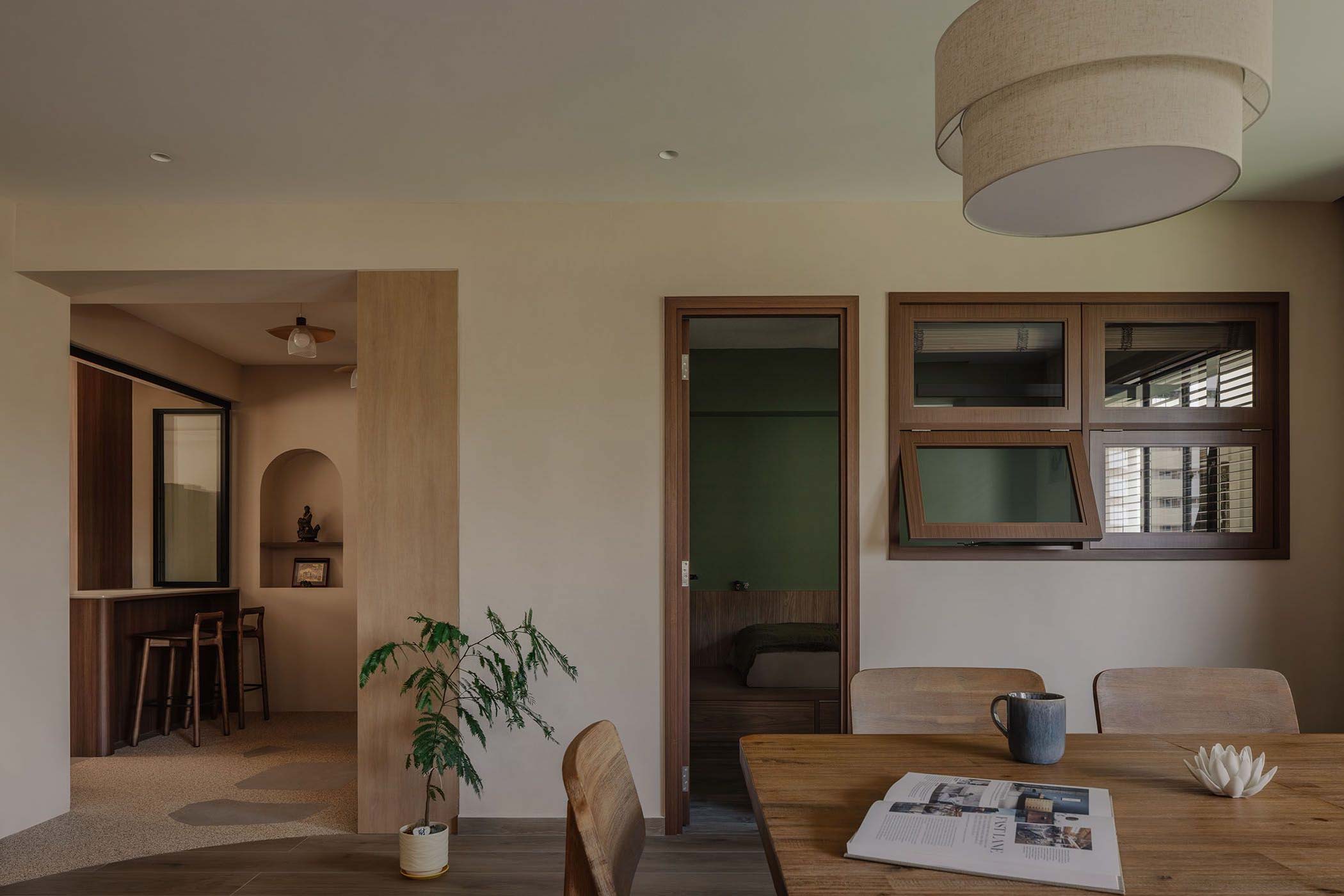
Image Credits: Lite Design Collaborative
4. Create a Cleaner-Air Room for Hazy Days
Not every homeowner needs an air purifier in every room.
Instead, consider identifying one space that can serve as a cleaner-air room when outdoor air quality deteriorates. This could be your bedroom, study or another enclosed room where household members can spend time comfortably.
The idea is straightforward: choose a room that can be closed off from the rest of the home, minimise outdoor air entering and use an appropriately sized air purifier to reduce airborne particles.
Open-concept layouts have become popular for making smaller homes feel more spacious. However, they can also make it harder to isolate one area when necessary.
For homeowners considering open-concept renovations, it may be useful to think about whether certain spaces should remain separable.
A bedroom with a door that closes properly, for instance, may be easier to manage as a cleaner-air space than a large living area connected to the kitchen and dining room.
The goal isn't to sacrifice your preferred design aesthetic, but to introduce flexibility into how your home functions.

5. Think Twice Before Lighting That Scented Candle
Your windows are closed. The air-conditioner is running. Perhaps you've even switched on an air purifier.
Now, what about that scented candle you've lit to make the room feel cosier?
Unfortunately, not everything that makes a home smell pleasant improves its air quality.
Candles, incense and certain other household activities can generate additional airborne pollutants. During haze episodes, these may contribute to the pollution already present indoors.
In fact, NEA recommends reducing indoor pollution sources such as candles and cigarettes when outdoor air quality is poor.
For homeowners who enjoy creating a relaxing atmosphere, consider alternatives that don't involve combustion.
You can still create a cosy environment through:
-
Warm lighting
-
Comfortable furnishings
-
Layered textures
And while air fresheners may temporarily mask unpleasant smells, they shouldn't be confused with products that remove haze particles.
The lesson here?
A home that smells fresh isn't necessarily a home with clean air.
6. Make Your Home Easier to Clean When the Haze Settles
Haze doesn't always disappear from your home just because the skies have cleared.
Particles that enter indoor spaces can eventually settle on furniture, flooring and other surfaces. This is where your choice of finishes, furniture and overall home design can influence how easily you maintain your living environment.
Consider intricate decorative surfaces, difficult-to-reach ledges and furniture arrangements that make routine cleaning more cumbersome.
While these aren't necessarily poor design choices, they can create additional maintenance work.
For homeowners planning a renovation, it may be worth thinking about how practical certain finishes and features are to clean.
For instance, smooth, accessible surfaces may be easier to wipe down than highly textured features with numerous grooves.
More importantly, how you clean matters.
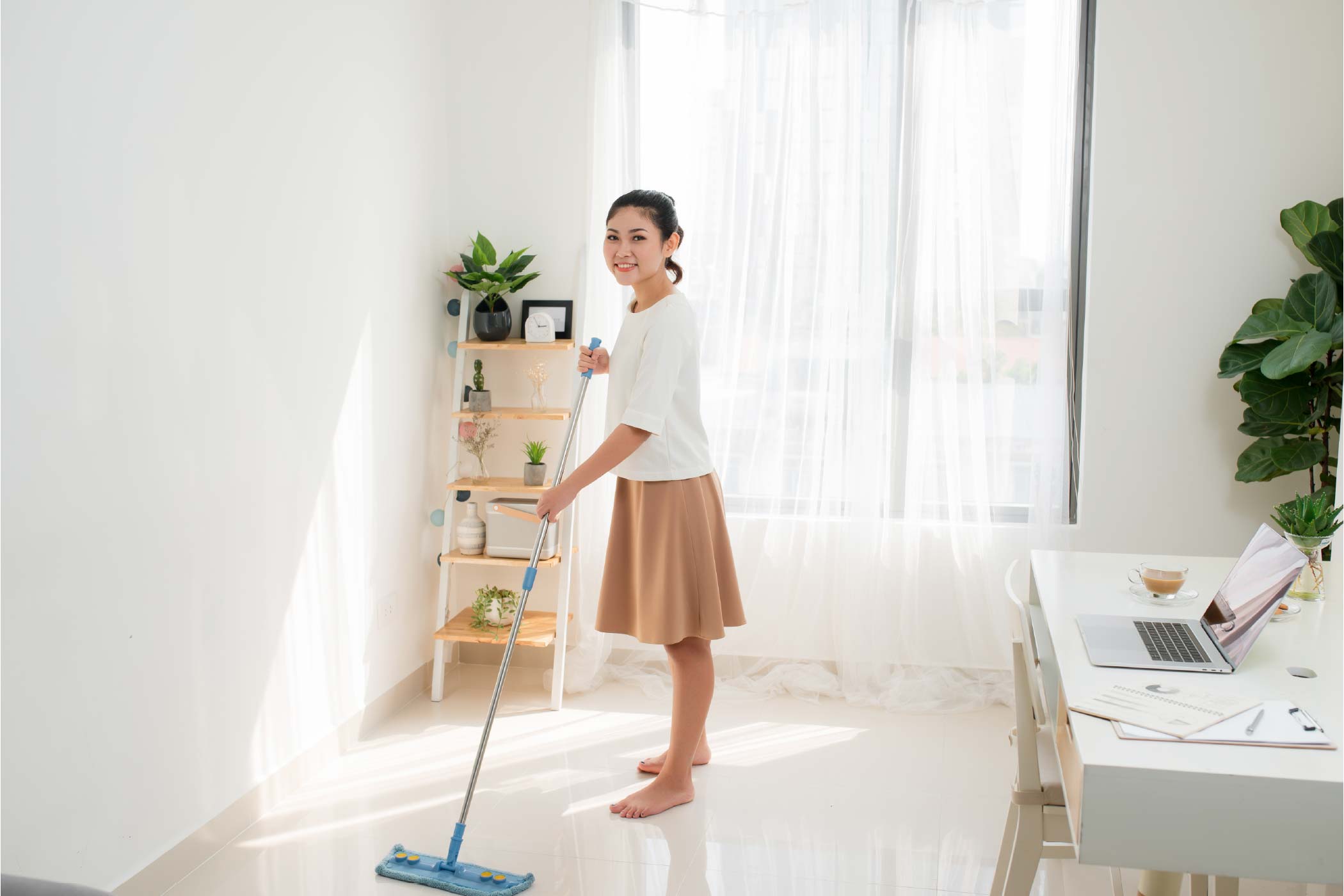
NEA recommends wet-cleaning methods such as mopping and wiping during haze episodes, as they generally stir up less dust than dry dusting or conventional vacuuming.
A vacuum cleaner equipped with effective HEPA filtration may also help reduce the release of captured particles back into the room. So rather than focusing entirely on how a material looks when newly installed, consider what it takes to maintain it once you're actually living with it.
A Haze-Ready Home Starts With Smarter Design
You can't stop the haze from returning to Singapore, but you can make your home better prepared for it.
And that doesn't necessarily mean investing in expensive smart-home systems or filling every room with air-cleaning gadgets.
Sometimes, it comes down to:
-
Choosing an appropriately sized air purifier
-
Maintaining your windows and air-conditioning
-
Planning spaces that can be closed off when necessary
For homeowners preparing to renovate, these are details worth discussing with your interior designer early.
A beautifully designed home should do more than look good. It should work for the realities of everyday living, even when the air outside isn't cooperating.
Frequently Asked Questions About Haze and Indoor Air Quality in Singapore
How can I keep haze out of my home in Singapore?
Close your windows and doors when outdoor air quality worsens and check for gaps around window frames and door seals. Using a properly sized air purifier with HEPA filtration can also help reduce indoor haze particles. Reopen your windows when outdoor air quality improves to allow fresh air to circulate.
Do air purifiers really help during the haze?
Yes. Air purifiers with effective particle filtration, such as HEPA filters, can reduce fine particulate matter (PM2.5) indoors. According to NEA, homeowners should also consider the Clean Air Delivery Rate (CADR) and room size when choosing a suitable air purifier.
Is air-conditioning enough to protect my home from haze?
Not necessarily. Conventional air-conditioners primarily cool and circulate air, but their standard filters may not effectively remove fine haze particles. Homeowners can use air-conditioning for comfort while relying on a suitable air purifier for additional particle filtration.
Should I keep my windows closed throughout the haze?
Keep windows and doors closed when outdoor air quality deteriorates to reduce the entry of haze particles. However, avoid keeping your home permanently sealed. NEA recommends reopening windows and doors when outdoor conditions improve to restore natural ventilation.
What renovation features can help improve indoor air quality?
Homeowners can consider well-fitted windows and doors, air-conditioning systems with suitable particle filtration, dedicated spaces for air purifiers and layouts that allow certain rooms to be enclosed when necessary.
Choosing easy-to-clean materials and finishes can also make household maintenance more manageable. These design choices can help reduce indoor particle exposure, although no renovation can make a home completely haze-proof.


