

There are certain phrases every designer grows up with.
One of the most famous is:
"Form ever follows function."
It was coined by American architect Louis Sullivan in his 1896 essay The Tall Office Building Artistically Considered. The statement went on to become one of the defining principles of modern architecture and was later embraced by architects and designers around the world, including pioneers like Frank Lloyd Wright and Ludwig Mies van der Rohe.
Like many designers, I was taught this principle throughout design school.
Design the function first. The form will naturally emerge.
For more than a century, it has remained a remarkably sound philosophy.
But lately, I've found myself asking a different question.
What happens when function doesn't stay still?
Form Follows Function in a World That Stayed Still
When Sullivan coined that phrase, the world was relatively predictable.
Factories produced one product.
Most buildings generally served one purpose.
Furniture was expected to last for generations.
-
A dining room was for dining.
-
An office was for work.
-
A library was for reading.
Function was relatively fixed, and design responded to it.
Fast forward to today...
-
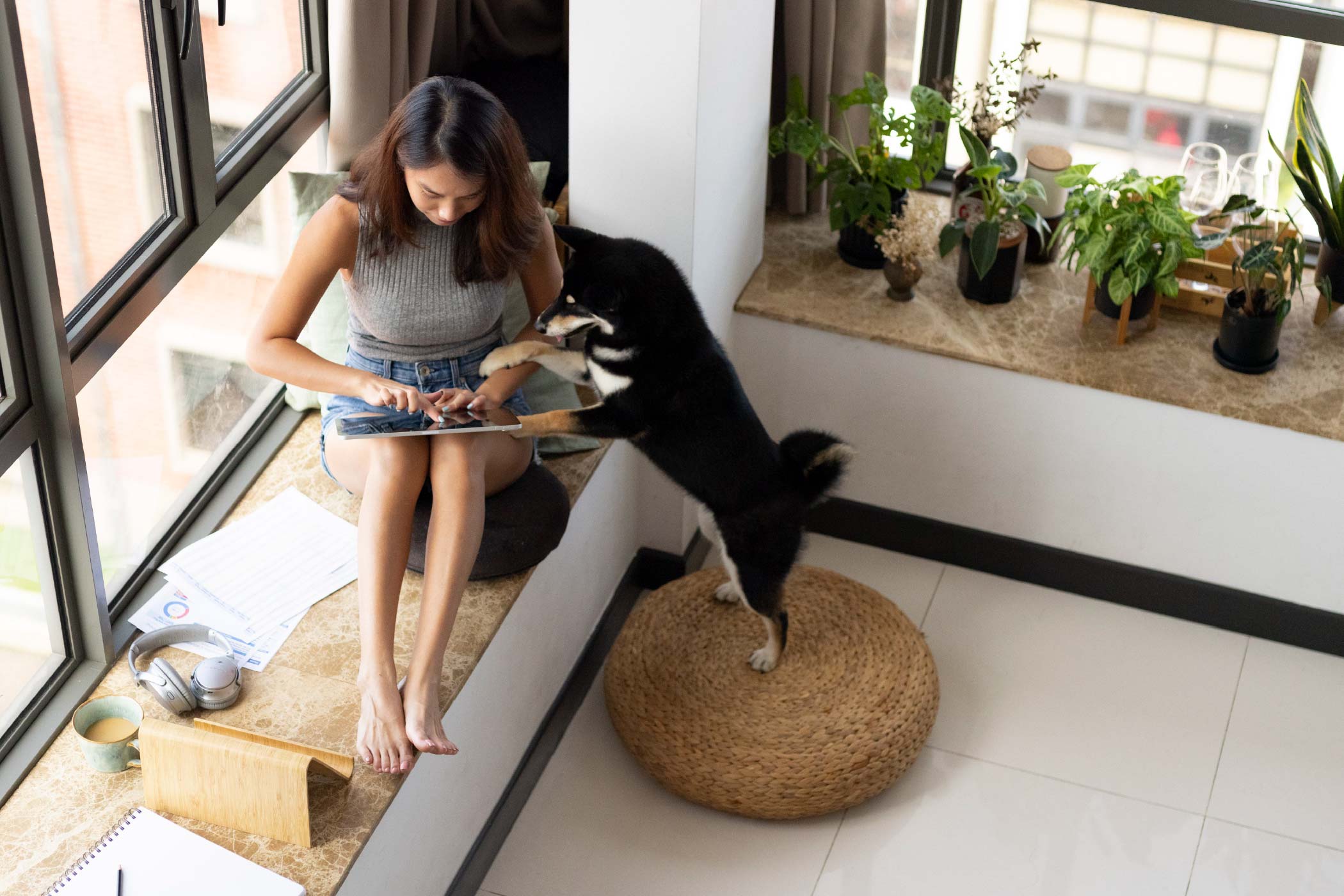
My dining table doubles as a gardening workstation or a tuition table.
-
My living room occasionally becomes a podcast studio.
-
My son's bedroom transforms from a study space into a gaming room, then back into an examination war room.
-
My kitchen island has hosted meetings, family dinners, content shoots and even product photography.
Sometimes, all within the same week.
The truth is, function hasn't disappeared.
It has become fluid.
The Irony of Modern Renovation: Permanent Homes, Temporary Behaviour
Here's the contradiction.
Our homes are becoming increasingly permanent, but our lifestyles are becoming increasingly temporary.
We spend thousands building customised cabinetry around today's appliances, only to realise, five years later, the appliances have changed.
Technology changes.
Family needs change.
Work arrangements change.
Even our hobbies change.
Yet the renovation remains exactly where it was installed.
Permanent construction.
Temporary behaviour.
Perhaps this is why so many beautifully renovated homes feel outdated long before they physically wear out.
Not because the workmanship failed.
But because life moved on.
Is Feeling a Form of Function?
This brings me to a question that has been lingering in my mind.
"Isn't feeling a form of function?"
Not a famous quote.
Not something I learnt in school.
Just a question I keep asking myself.
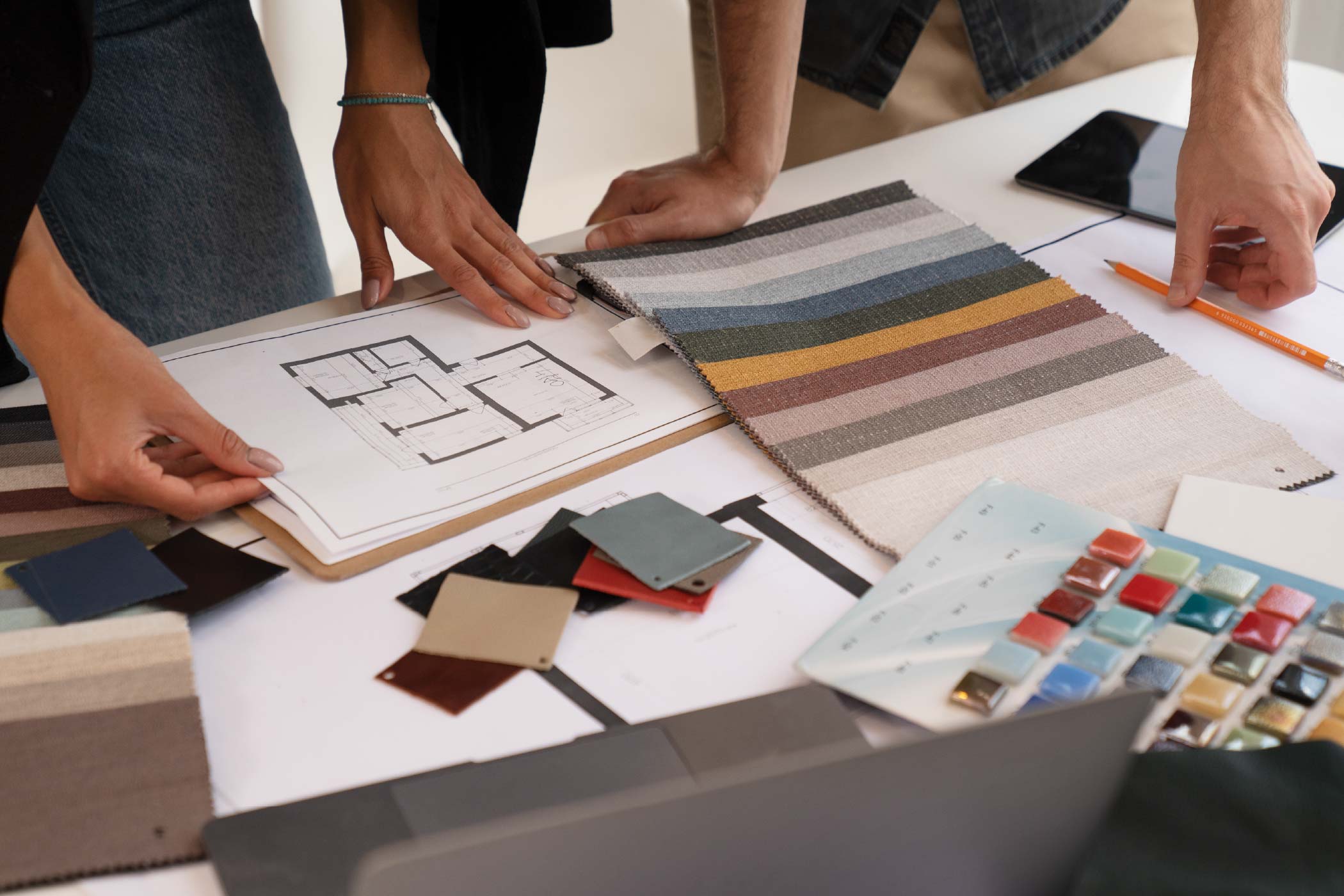
Traditionally, designers define function through measurable performance.
-
Can I reach it?
-
Can I use it?
-
Is it ergonomic?
-
Is it safe?
-
Can it be maintained?
These remain essential.
However, homeowners today aren't simply asking designers to create spaces that work.
They're asking us to create homes that make them feel something.
-
Calm.
-
Safe.
-
Connected.
-
Inspired.
-
Rested.
-
Proud.
If a bedroom consistently improves someone's quality of sleep...
Hasn't it fulfilled a function?
If thoughtful lighting reduces stress after a difficult day...
Isn't that functional?
If an elderly parent feels more confident moving around the home because the space feels intuitive...
Is that emotional, or is it functional?
Perhaps we've been treating these as separate conversations.
Maybe they never were.
The Missing F: Flexibility
I don't believe form follows function is wrong.
Far from it.
I simply think our profession has entered an era where there is a third consideration.
Flexibility.
Because if function evolves...
Then good design should evolve with it.
Perhaps today's designers shouldn't only ask,
"What is this room for?"
We should also ask,
"What could this room become five years from now?"
-
Can a nursery become a teenager's bedroom?
-
Can a study become a guest room?
-
Can built-ins be reconfigured rather than demolished?
-
Can technology be upgraded without rebuilding half the house?
Designing for change is no longer a luxury.
It's becoming part of good design.
Perhaps We Were Asking the Wrong Question
Rather than replacing Sullivan's principle, perhaps we simply need to expand it.
Good design still requires beautiful form.
Good design still requires functional planning.
But increasingly, good design also requires flexibility.
Not just flexible furniture.
Flexible thinking.
Flexible planning.
Flexible infrastructure.
Flexible homes that acknowledge one simple truth.
People change.
Technology changes.
Families change.
The home should have the capacity to change with them.

The Question We Should Be Asking
Maybe the question isn't,
"Does form follow function?"
Maybe it's,
"How do we design when function itself keeps evolving?"
The answer may not lie in abandoning one of design's greatest principles.
It may lie in recognising that function today is no longer static.
It includes physical performance.
It includes emotional wellbeing.
And increasingly, it includes adaptability.
Perhaps the future of interior design isn't choosing between form or function.
It's allowing form, function and flexibility to coexist.
Because beautiful homes shouldn't merely accommodate who we are today.
They should be ready for who we become tomorrow.
The Nerd's Final Thought
Louis Sullivan gave us one of the most influential design principles in history.
More than a century later, I don't think it's time to replace it.
I think it's time to continue the conversation.
After all, if our homes are expected to evolve with our lives...
Shouldn't our design philosophy evolve as well?
Frequently Asked Questions About Form Follows Function
What does "form follows function" mean in interior design?
The principle suggests that the shape and appearance of a space or object should be determined by its intended purpose. Coined by architect Louis Sullivan in 1896, it remains one of the foundations of modern design.
Why is flexibility becoming more important in home design?
Today's homes often serve multiple purposes, from working and studying to entertaining and relaxing. Designing flexible spaces allows homes to adapt as lifestyles and family needs change.
How can I future-proof my home renovation?
Consider layouts that can evolve over time, modular storage, adaptable rooms, upgrade-friendly infrastructure and built-ins that can be reconfigured rather than replaced.
Can one room serve multiple functions?
Yes. Many modern homes are designed with multifunctional spaces that transition between work, leisure, study and family life throughout the day.
How can an interior designer help create a more adaptable home?
Experienced designers consider not only your current needs but also how your lifestyle may change in the future, helping you create spaces that remain functional for years to come.


